CAPHE – Communities and Artistic Participation in Hybrid Environment
Implementation period: 1 January 2023 – 31 December 2026.
Program: Horizon Europe – MSCA Staff Exchanges
Grant Agreement Number: 101086391
Funding for PUNO activities in the United Kingdom: UK Research and Innovation (UKRI), Grant No. EP/X038572/1.
Dr Dorota Hrycak-Krzyżanowska is the Principal Investigator of the CAPHE project at PUNO, funded by UK Research and Innovation (UKRI).
CAPHE – Communities and Artistic Participation in Hybrid Environment is an international research and educational project dedicated to participation in art, culture and education within hybrid environments. The project combines activities carried out directly in schools, cultural institutions and urban spaces with digital tools, virtual environments and immersive technologies.
CAPHE explores how art, education, new media, and community collaboration can work together to create more open, accessible, and engaging forms of cultural participation. The project is based on the premise that digital technologies do not replace direct encounters with other people, works of art, or physical places. Instead, they can enrich experience, support creativity, foster intercultural dialogue, and enable individuals and communities in different parts of the world to participate in artistic and cultural activities.
The project is currently ongoing. The present phase focuses on the dissemination of project outcomes, the development and testing of educational resources, exhibition and workshop activities, work on academic and public-facing publications, and the preparation of sustainable recommendations for media, arts, and hybrid education.
Partners
The project is carried out by an international partnership of academic, artistic, educational, and community-based institutions:
- Jagiellonian University, Poland;
- Polskie Towarzystwo Estetyczne, Polska;
- Miastopracownia, Polska;
- Polski Uniwersytet na Obczyźnie PUNO, Wielka Brytania;
- Faculdade de Belas-Artes da Universidade de Lisboa, Portugalia;
- Narratologies P.C., Grecja;
- Conservatorio di Musica „Giacomo Puccini” w La Spezii, Włochy;
- Opera Network, Włochy;
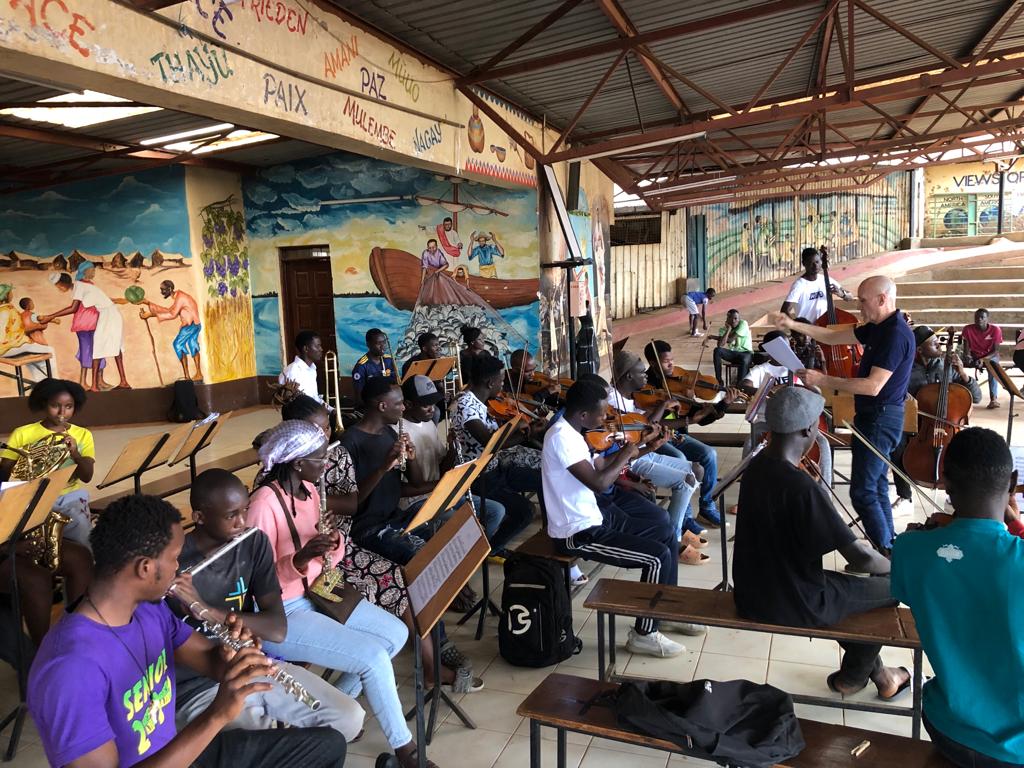
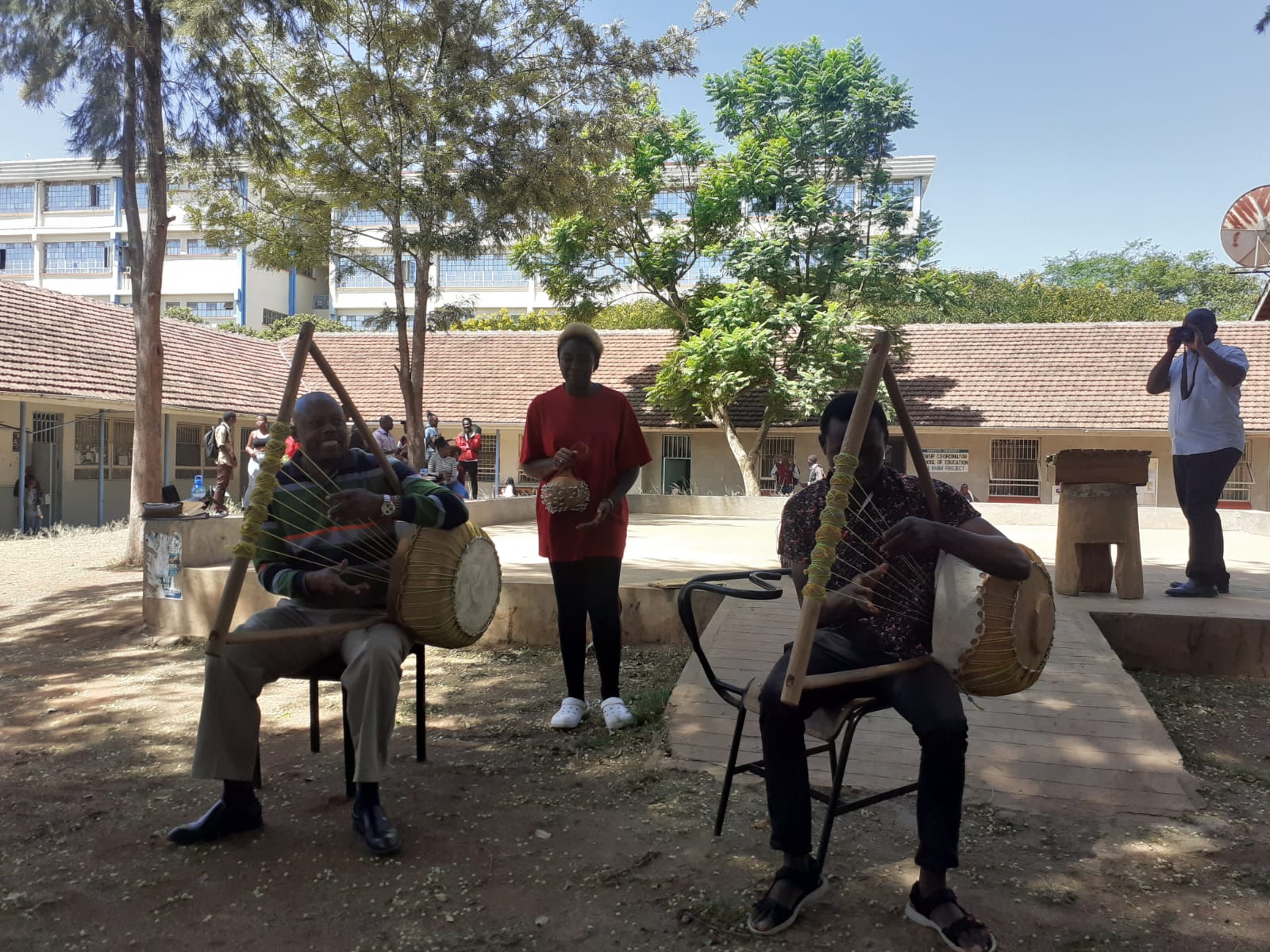
- Kenyatta University, Kenia.
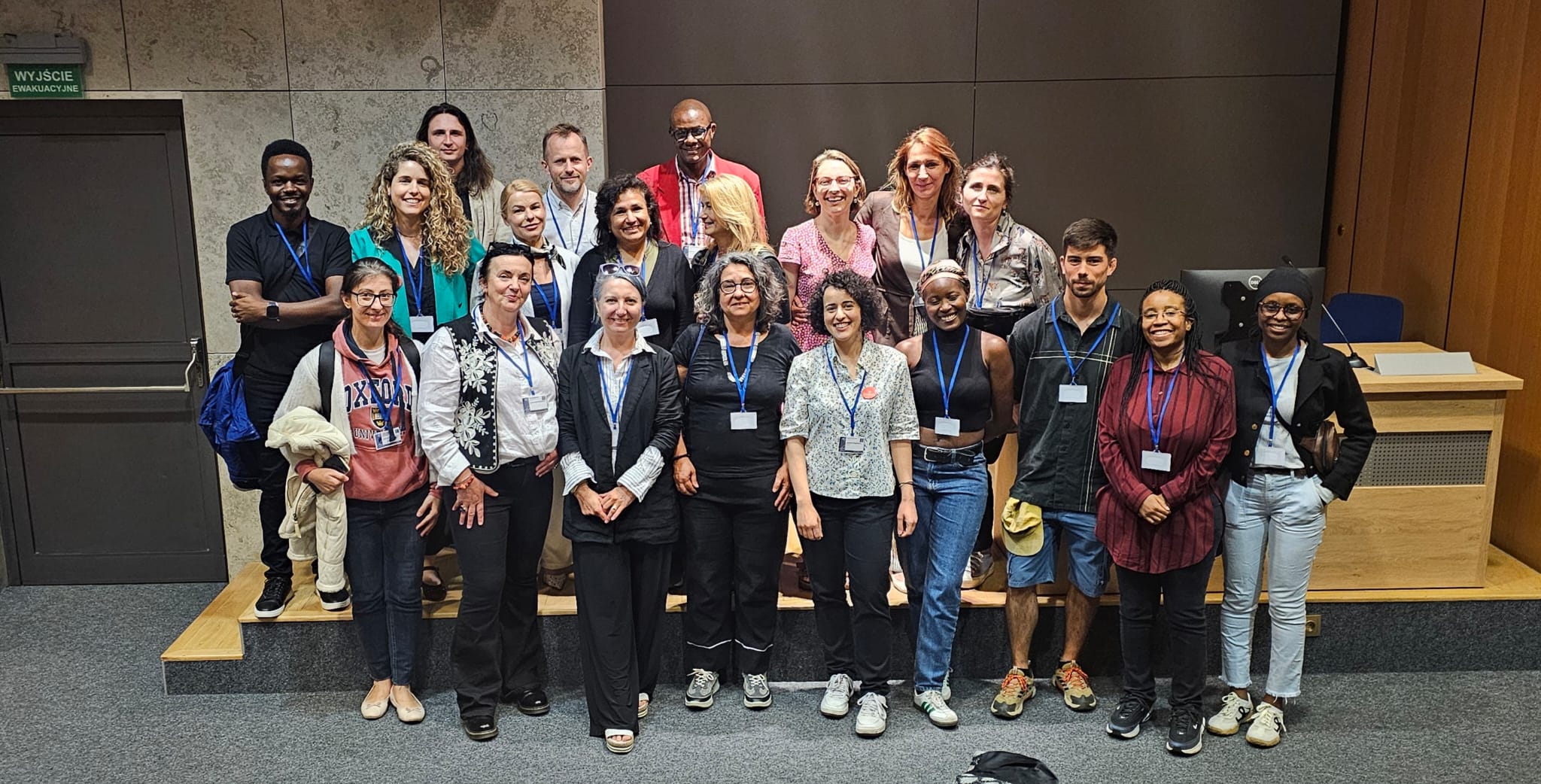
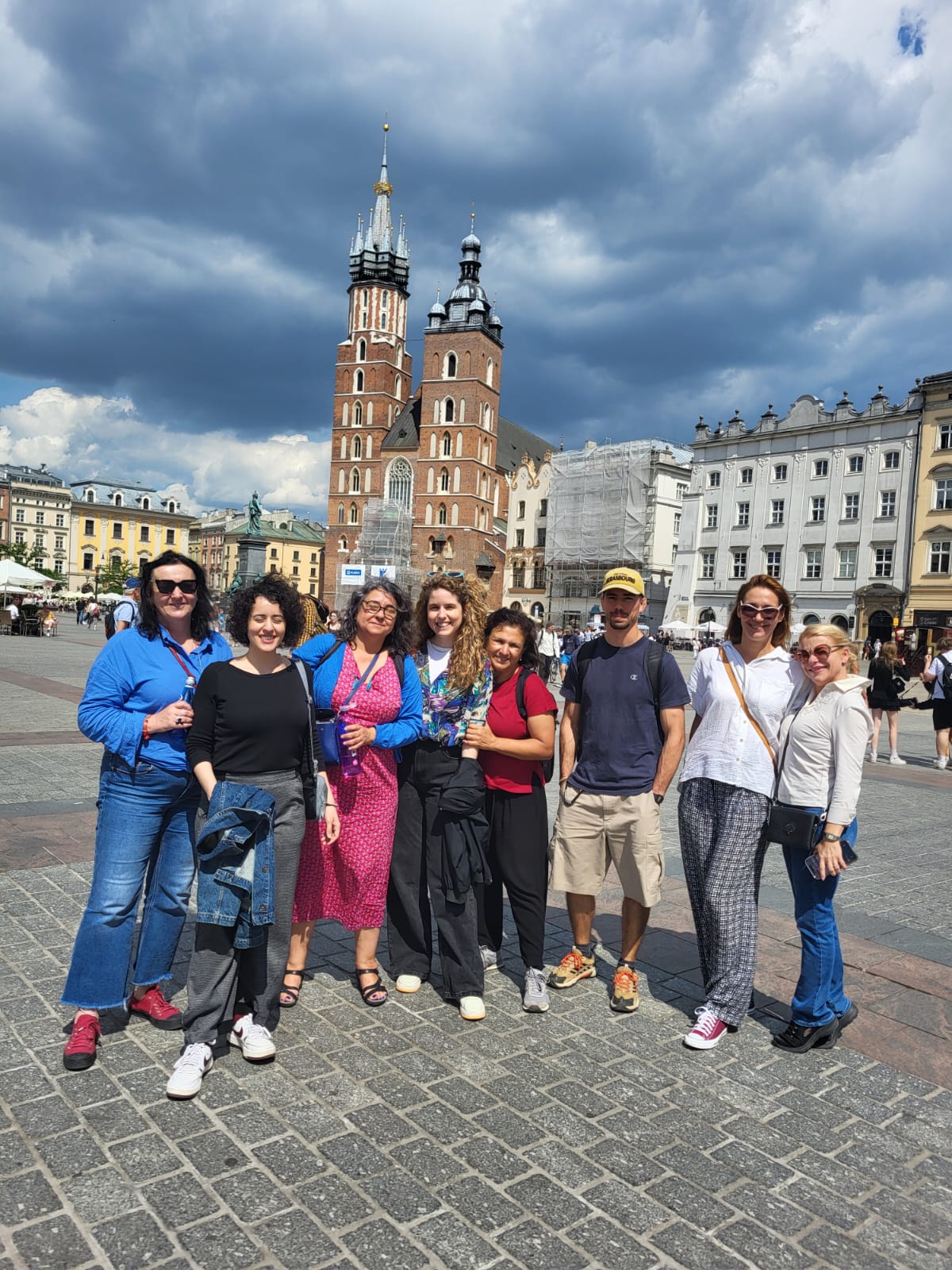
Through the collaboration of partners from Poland, the United Kingdom, Portugal, Italy, Greece, and Kenya, CAPHE creates a space for the international exchange of knowledge, experiences, and good practices. The project brings together researchers, artists, teachers, students, school pupils, and representatives of cultural institutions and community organisations.
Project objectives
The primary objective of CAPHE is to develop, investigate, and test models of artistic and educational participation in hybrid environments. The project addresses the question of how contemporary technologies can support the development of creative, linguistic, social, media, and digital competences.
CAPHE focuses in particular on:
- developing new forms of collaboration among artists, teachers, students, and communities;
- combining face-to-face activities with online education, virtual environments, and immersive experiences;
- using art as a tool for dialogue, reflection, communication, and relationship-building;
- promoting the development of media, digital, and arts education;
- developing methods and approaches that can be applied in schools, cultural institutions, and community-based initiatives;
- supporting young people’s participation in culture and fostering their agency and creativity;
The project employs, among others, virtual and augmented reality, immersive technologies, digital storytelling, educational and location-based games, artificial intelligence, performative, musical, and visual arts activities, digital exhibitions, and tools for developing media and digital competences.
PUNO’s Role in the Project
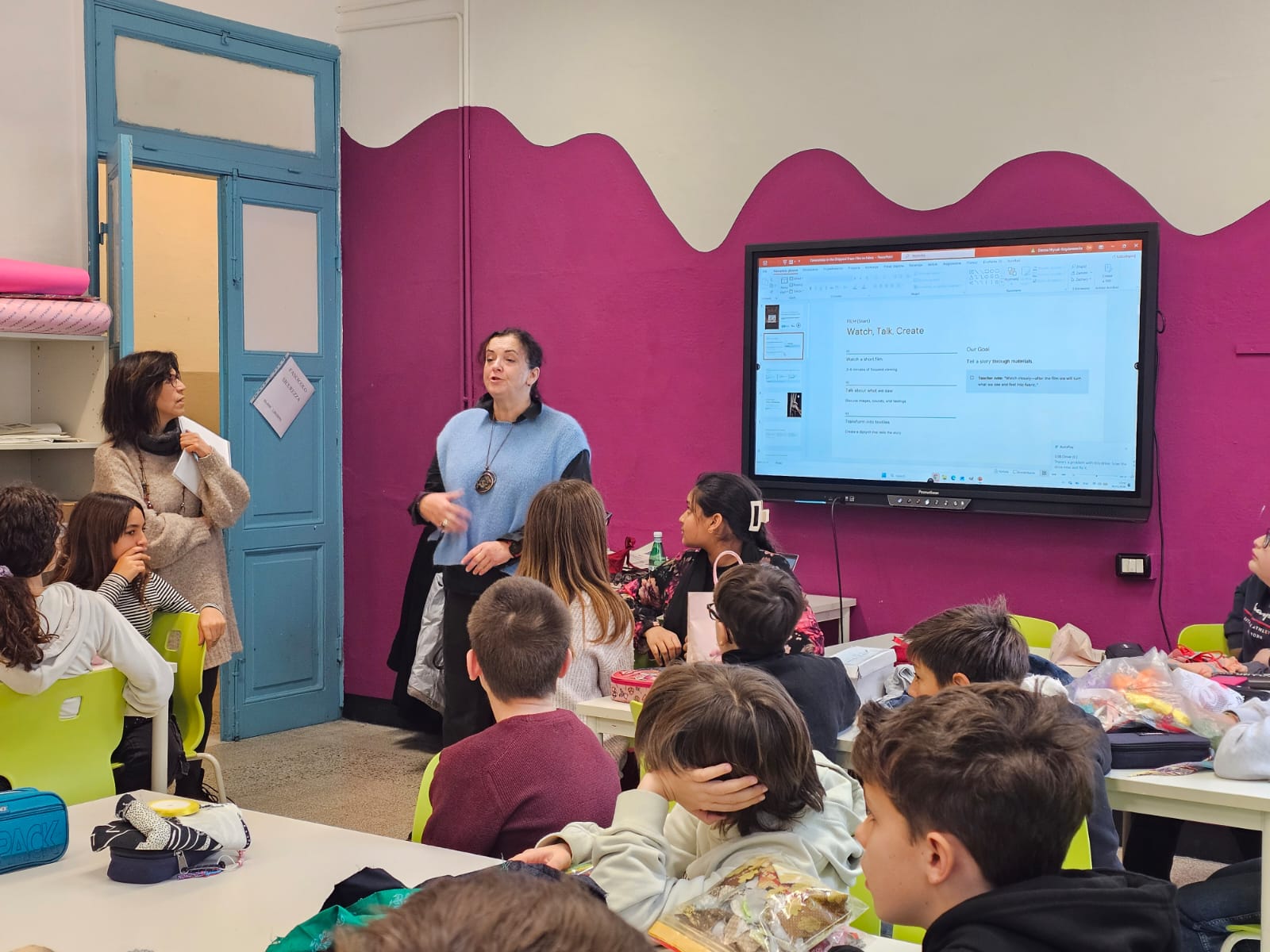
The Polish University Abroad (PUNO) is primarily responsible within the project for the area of education, with particular emphasis on media and material education. PUNO develops and tests solutions designed for primary and secondary schools, teachers, pupils, students, and educational communities.
PUNO’s activities integrate language, arts, media, and digital education. Particular emphasis is placed on methods that make use of narrative, image, sound, movement, space, the experience of place, and the active co-creation of content by participants.
PUNO’s key responsibilities include:
- developing methods for education in hybrid environments;
- developing lesson plans, educational materials, and guidance for teachers;
- developing students’ media, digital, social, and artistic competences;
- designing and testing activities that make use of VR, AR, educational games, artificial intelligence, and digital storytelling;
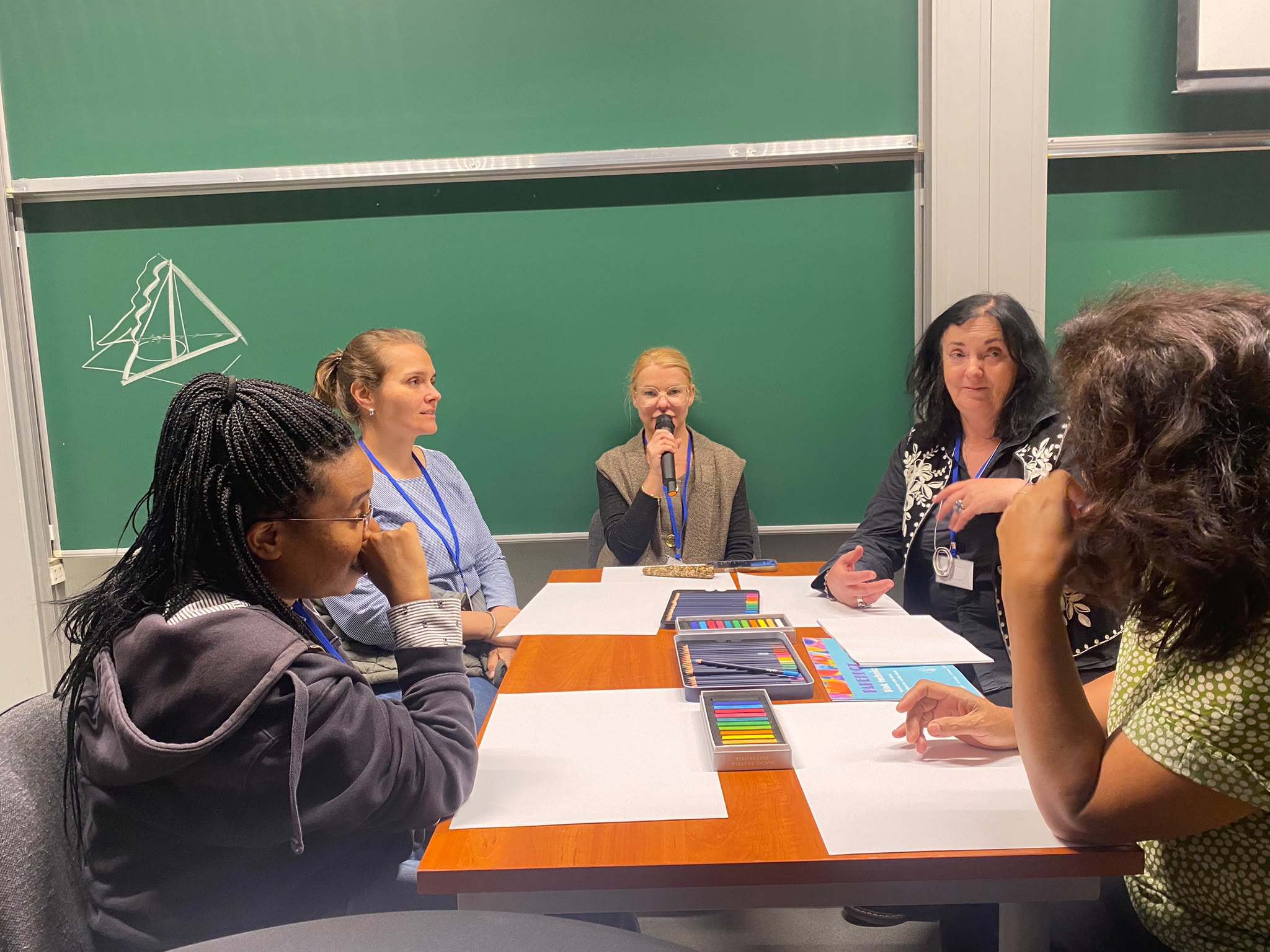
- conducting workshops for children, young people, teachers, and students;
- developing tools to support teachers’ work in the classroom, online, and in blended learning environments;
- developing methods and approaches based on art, narrative, the experience of place, and active participation;
- disseminating project outcomes through conferences, publications, exhibitions, workshops, and online activities.
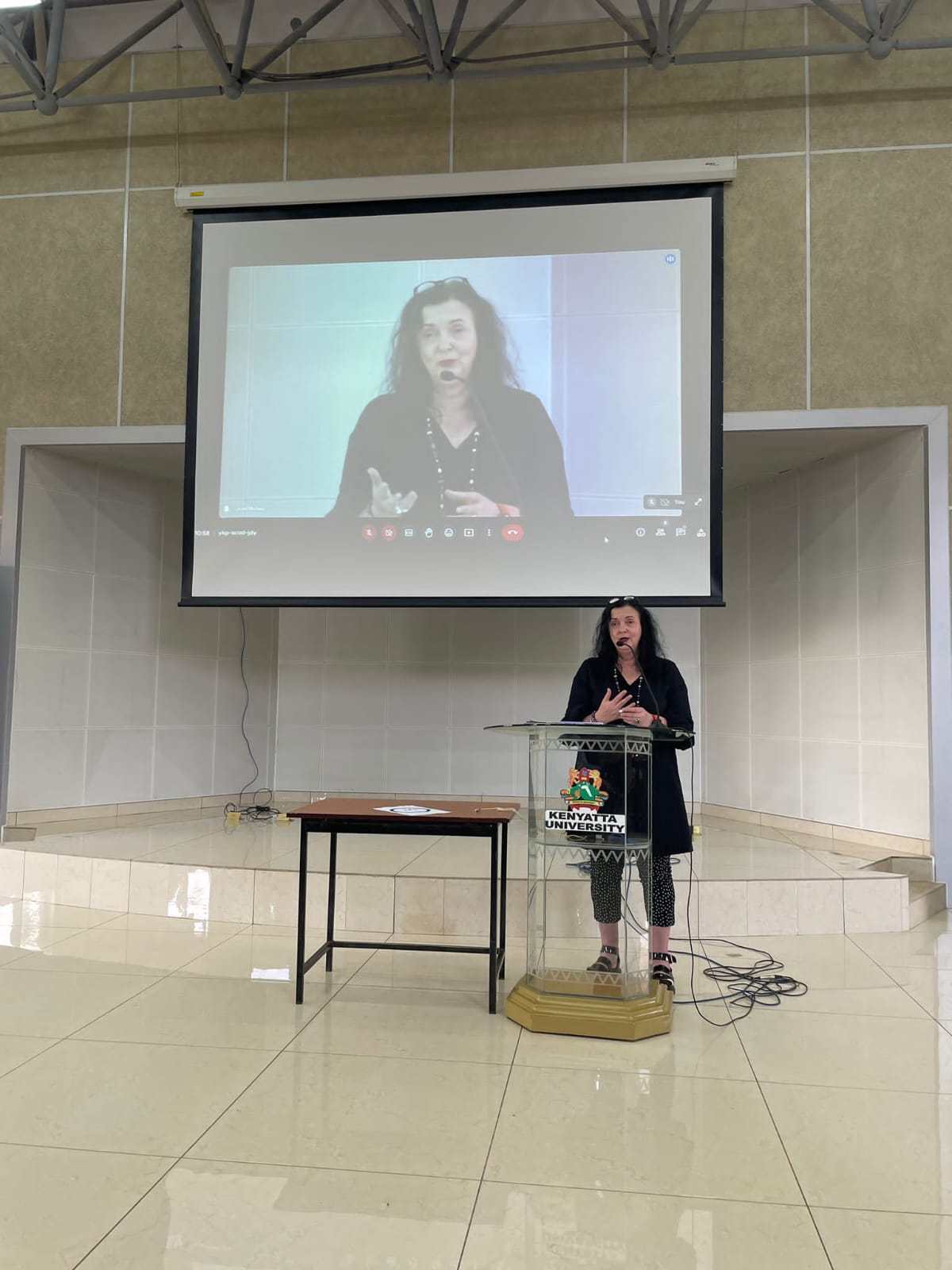
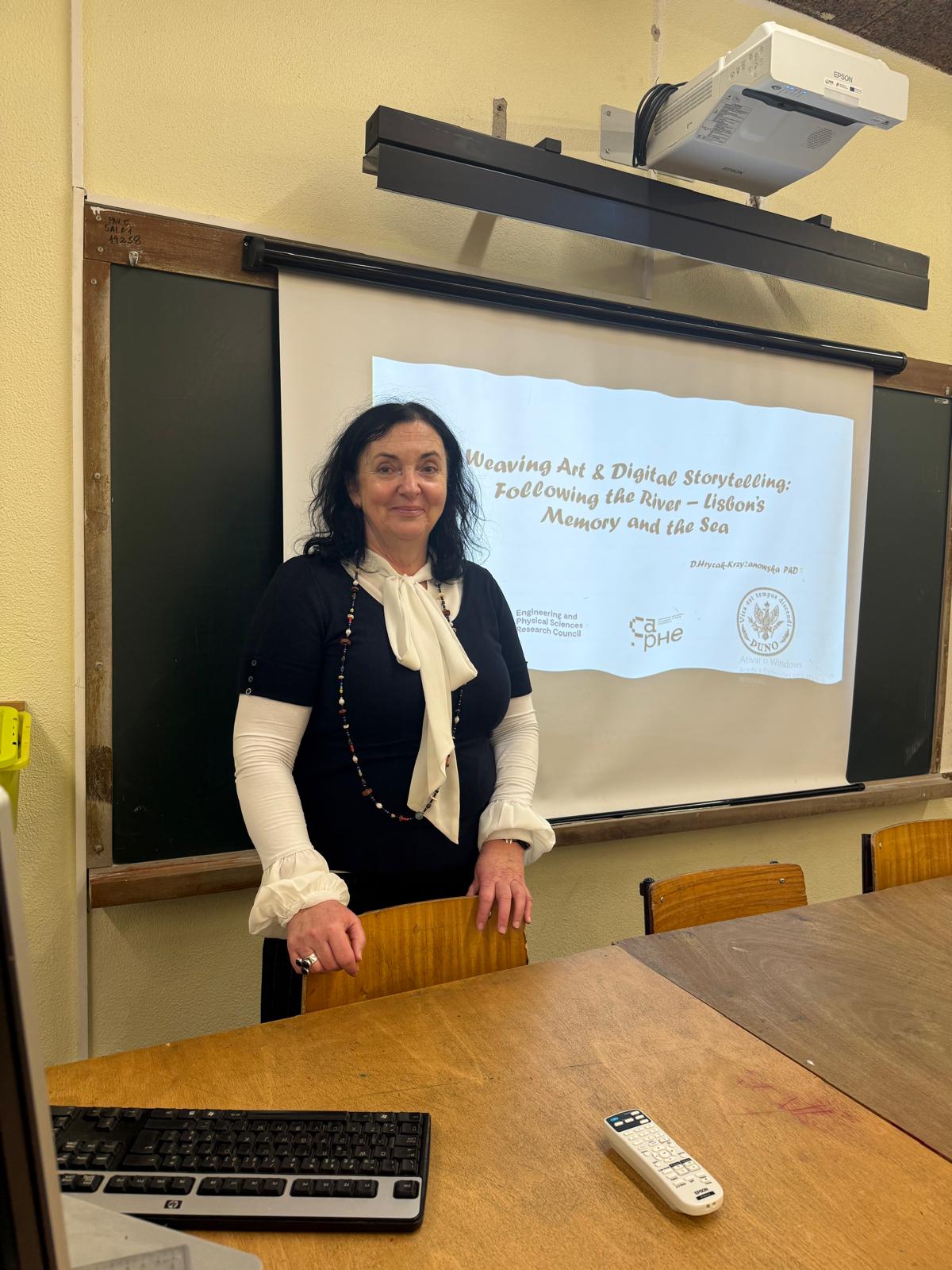
Dr Dorota Hrycak-Krzyżanowska is the Principal Investigator of the CAPHE project at PUNO, funded by UK Research and Innovation (UKRI). She coordinates the implementation of PUNO’s project activities, collaboration with international partners, educational and dissemination activities, and the preparation of project outputs.
PUNO’s Activities within CAPHE
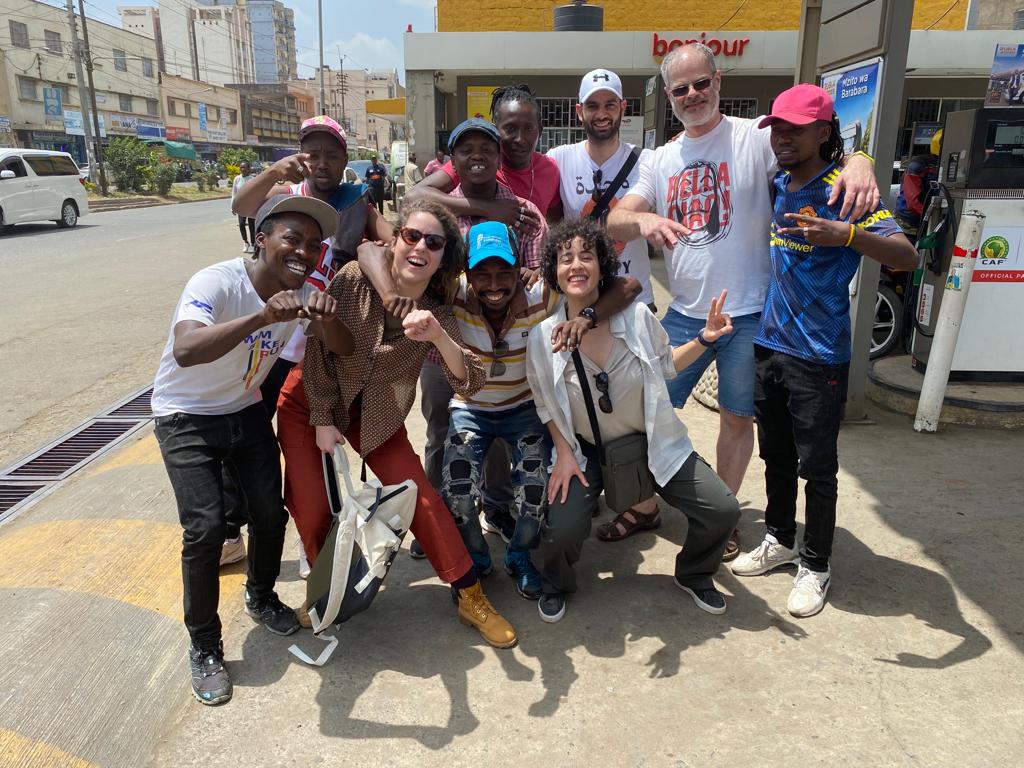
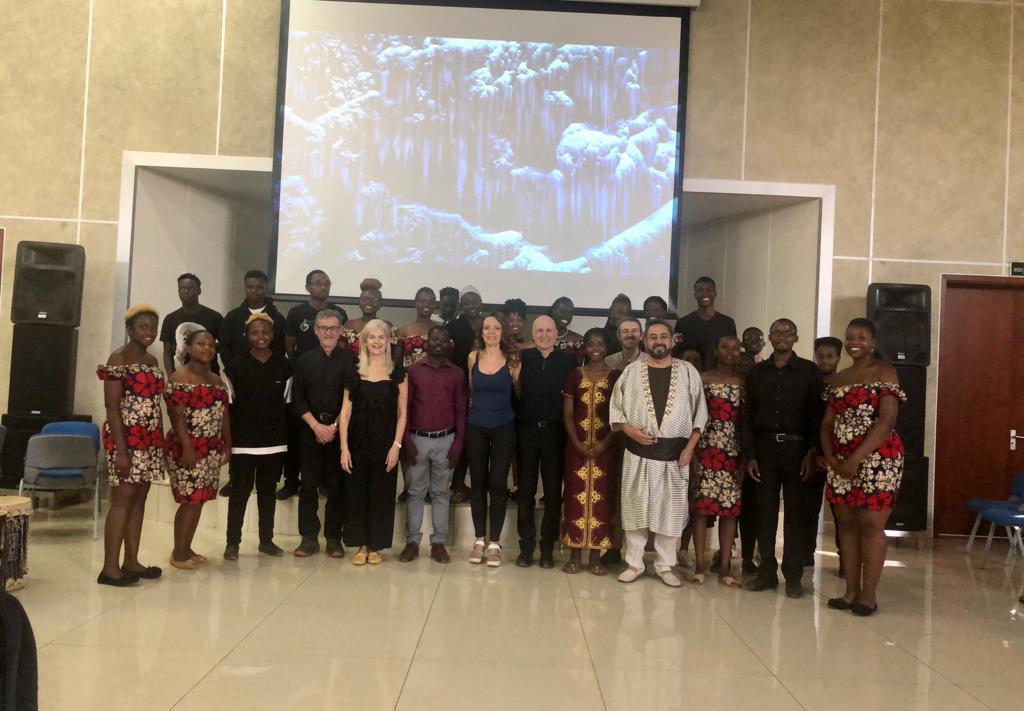
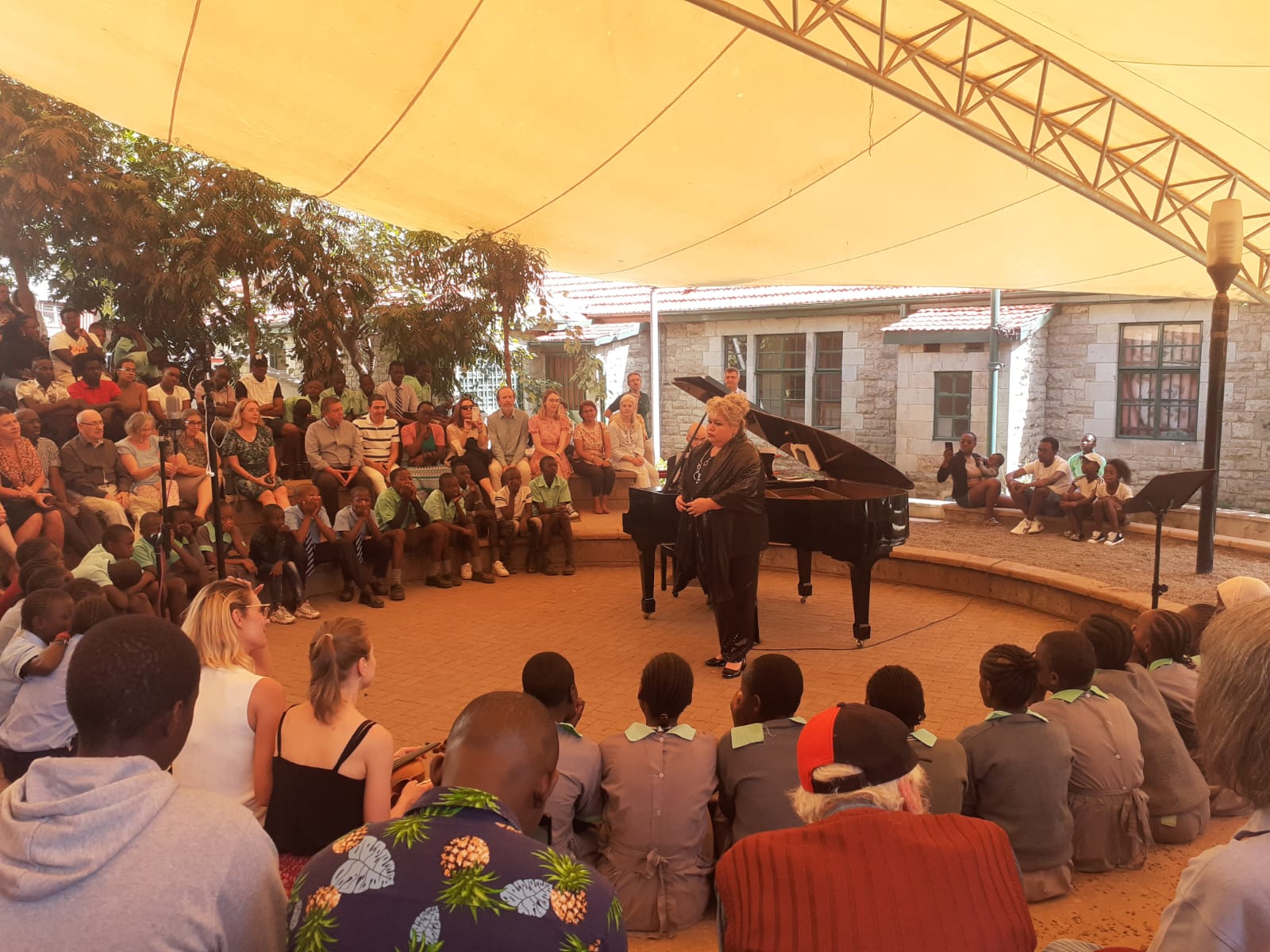
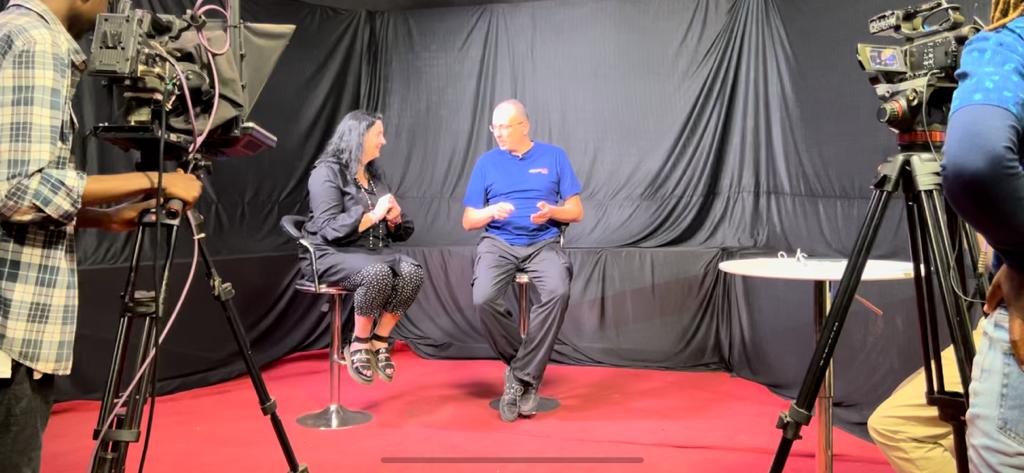
The PUNO team carried out research, educational, and artistic activities in the United Kingdom, Poland, Portugal, Italy, Greece, and Kenya. The work included workshops, field research, international mobility activities, conferences, exhibition projects, and the development of educational materials.
Within the project, activities were carried out focusing, among others, on digital art, avatar creation, virtual exhibitions, digital storytelling, language education, urban art, VR technology, educational city games, and the use of artificial intelligence in education and artistic practices.
An important area of PUNO’s work is digital storytelling, understood as the creation and interpretation of stories through the use of images, sound, text, space, movement, and digital tools. This approach makes it possible to combine language learning, the development of communication competences, and work on memory, identity, the experience of place, and participation in culture.
During activities carried out in Italy, the PUNO team co-developed workshops focusing on educational location-based games, digital storytelling, immersive technologies, music, art, and new media. Particular emphasis was placed on initiatives that used the urban spaces of Florence and La Spezia as educational environments, as well as on the design of games and activities aimed at developing participants’ creativity, collaboration, and cultural competences.
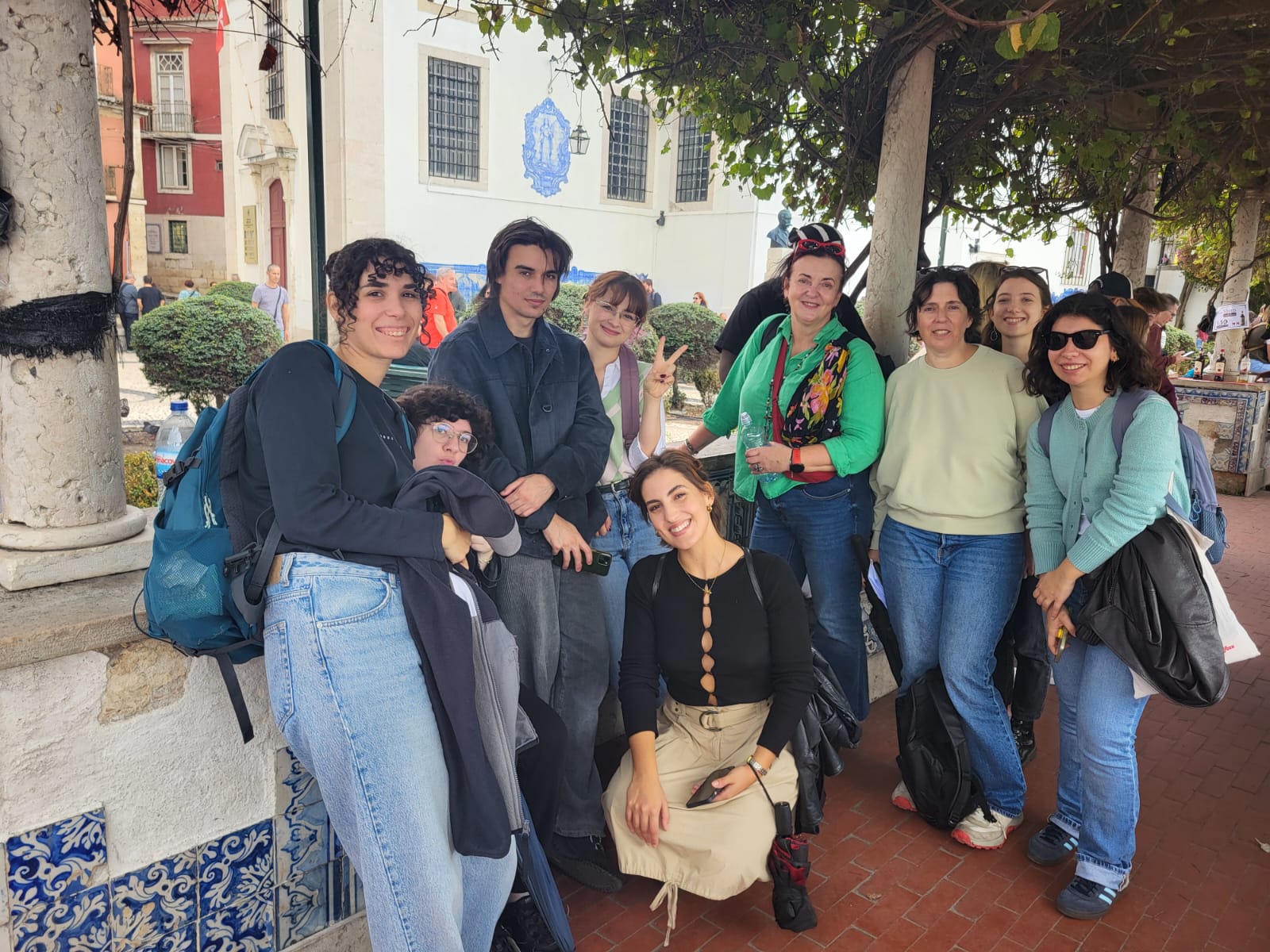
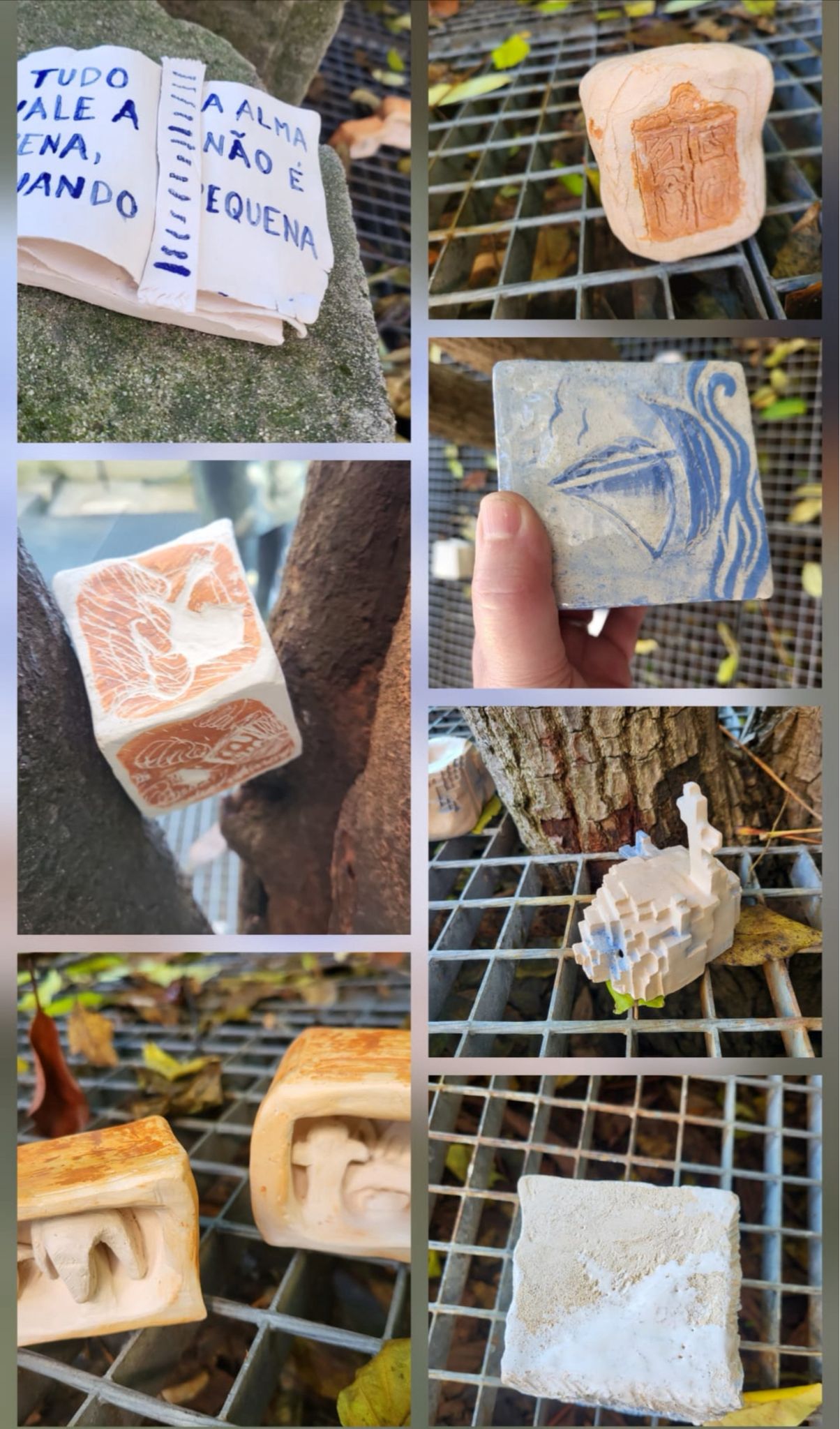
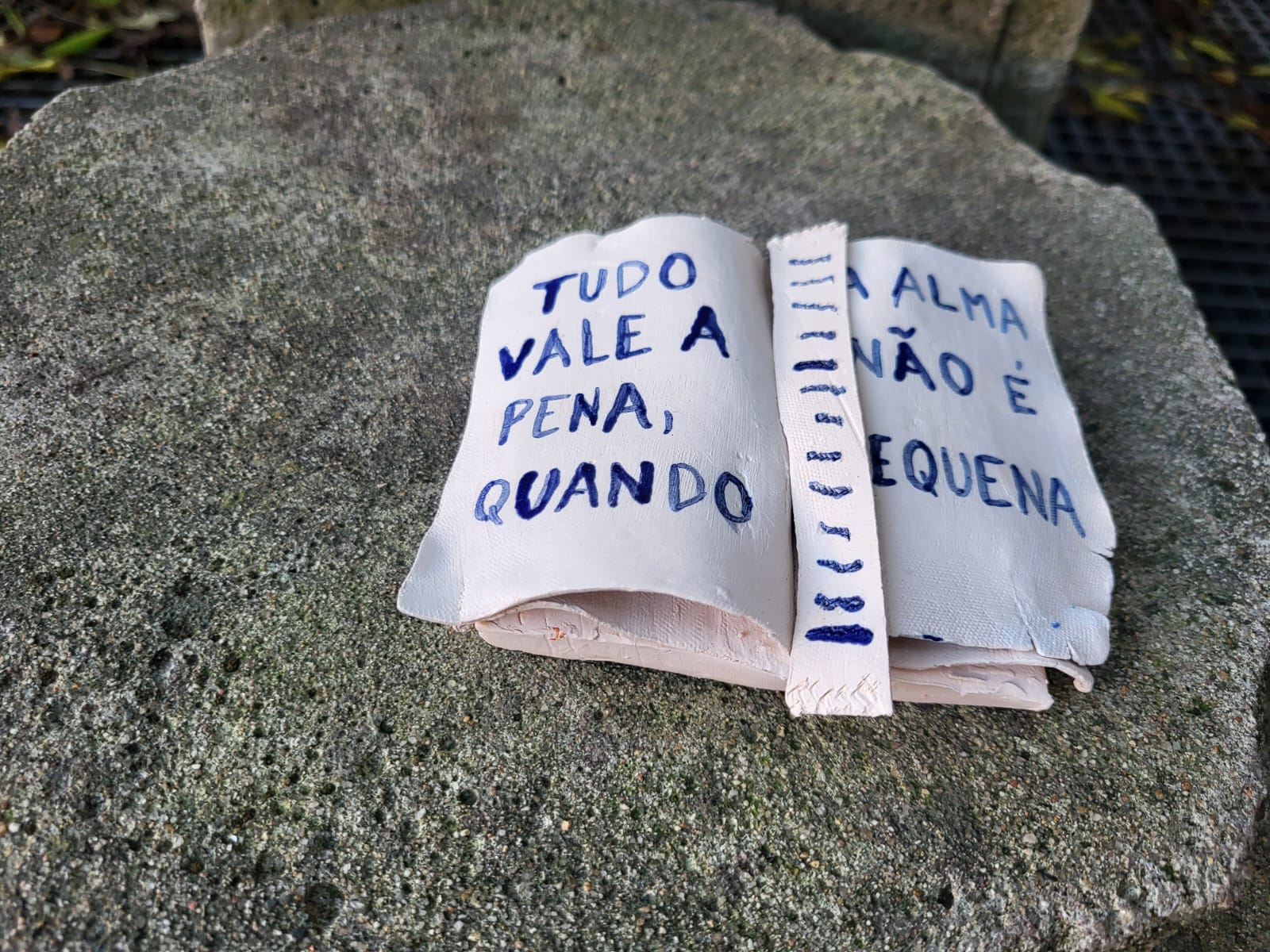
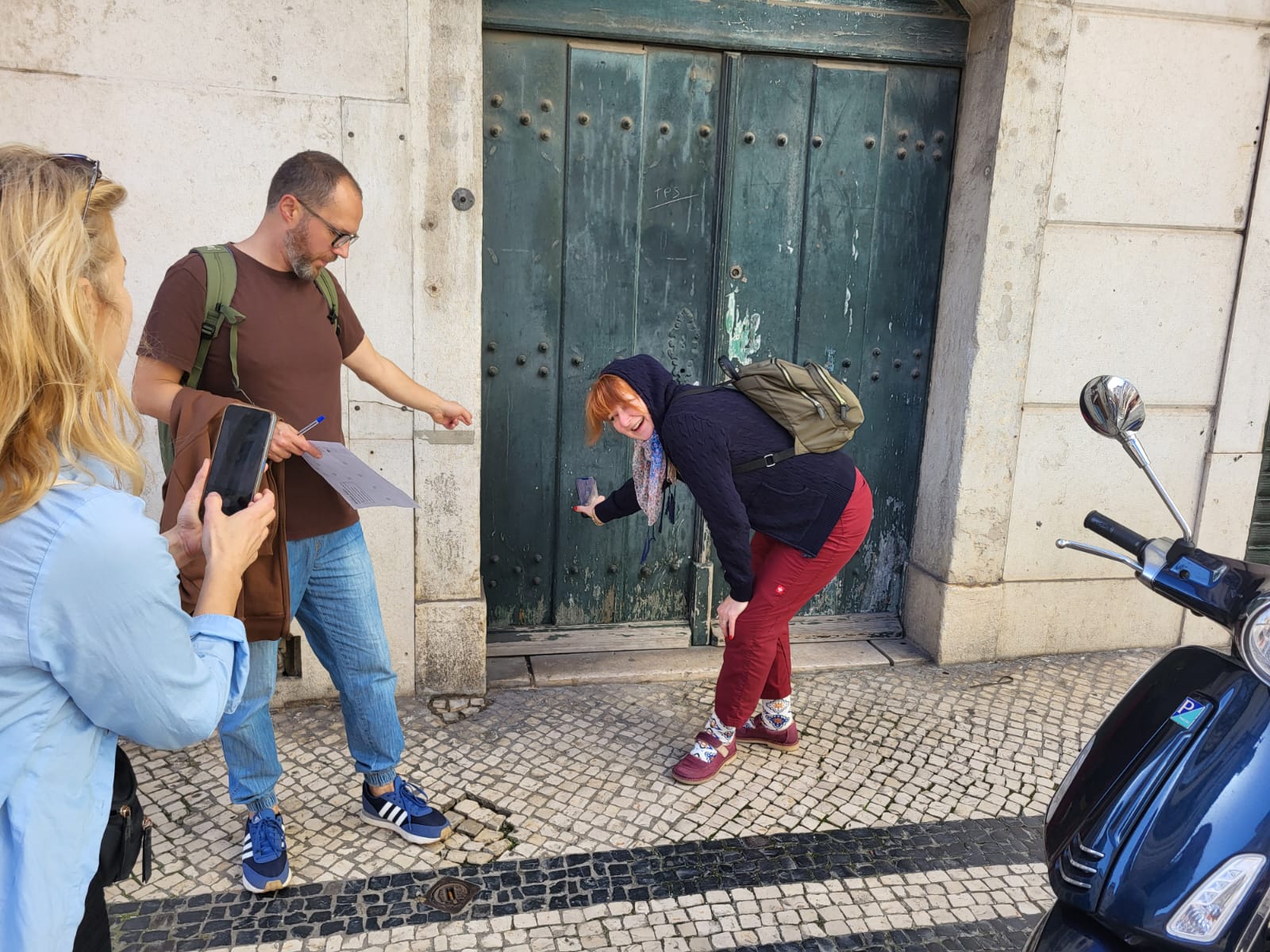
In Lisbon, PUNO collaborated with the Faculdade de Belas-Artes da Universidade de Lisboa in workshops devoted to urban art, ceramics, the memory of place, visual creativity, and digital storytelling. These activities combined observation of urban spaces, artistic practice, and reflection on how image, material, architecture, and narrative can support the learning process.
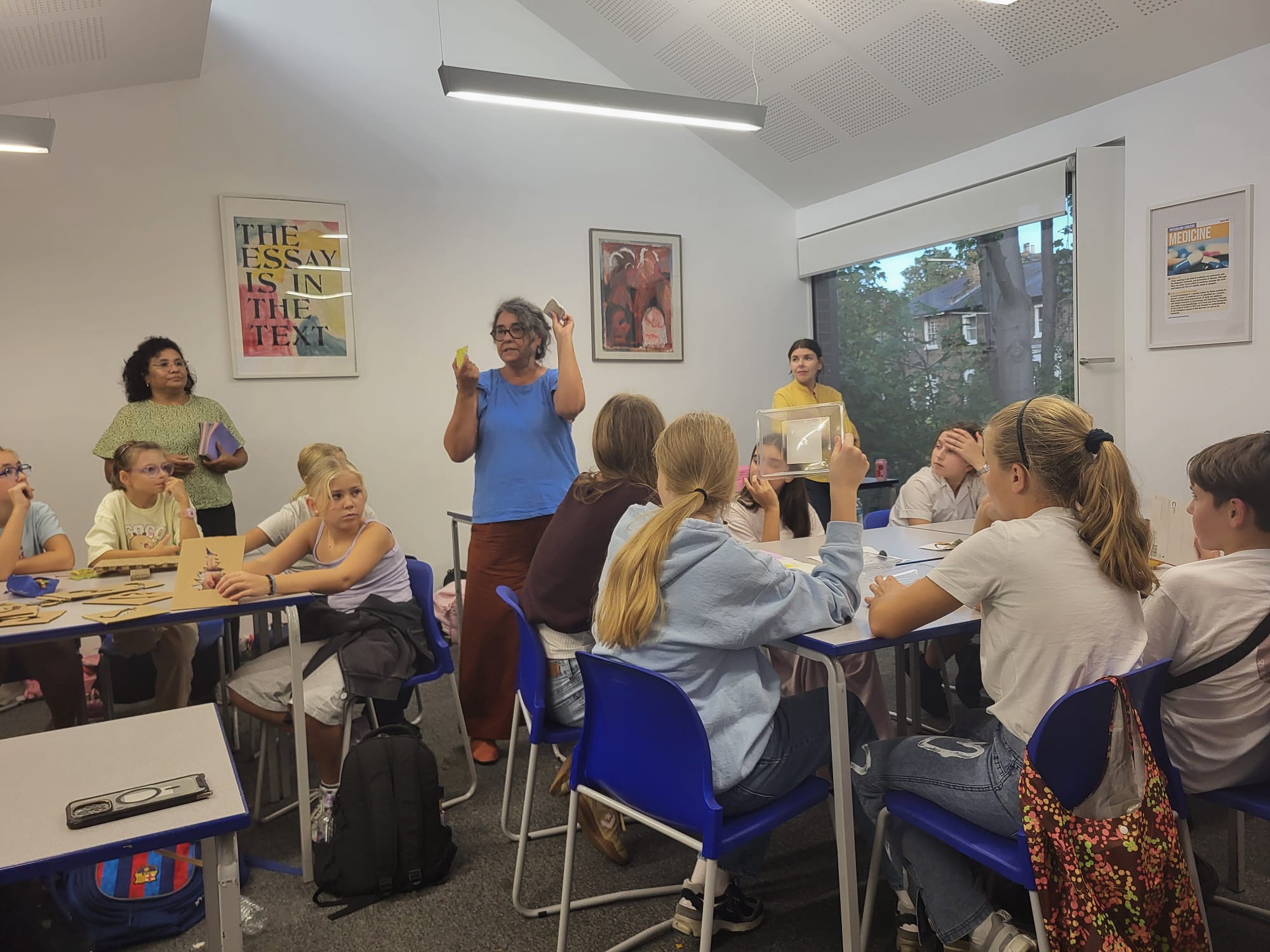
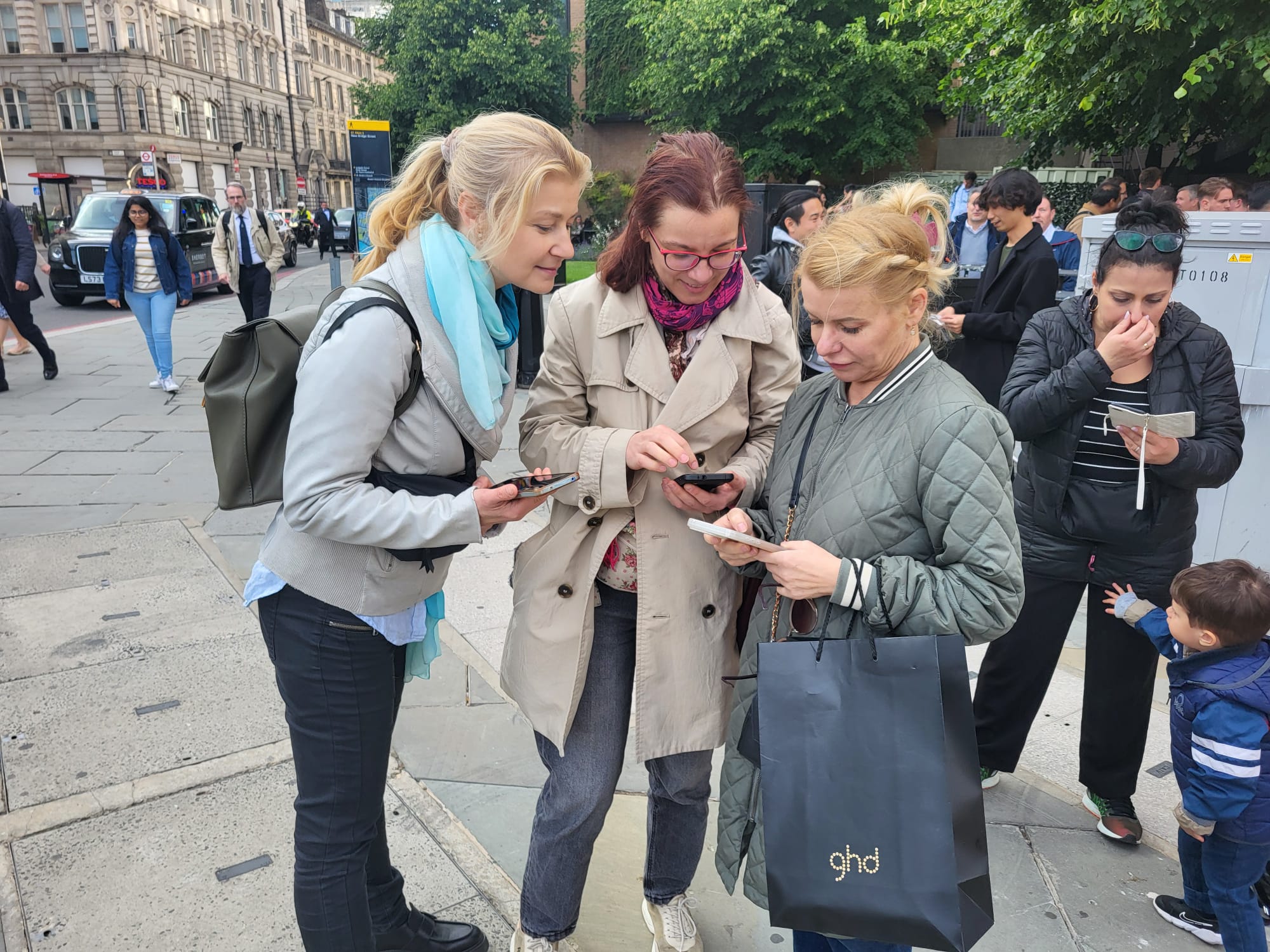
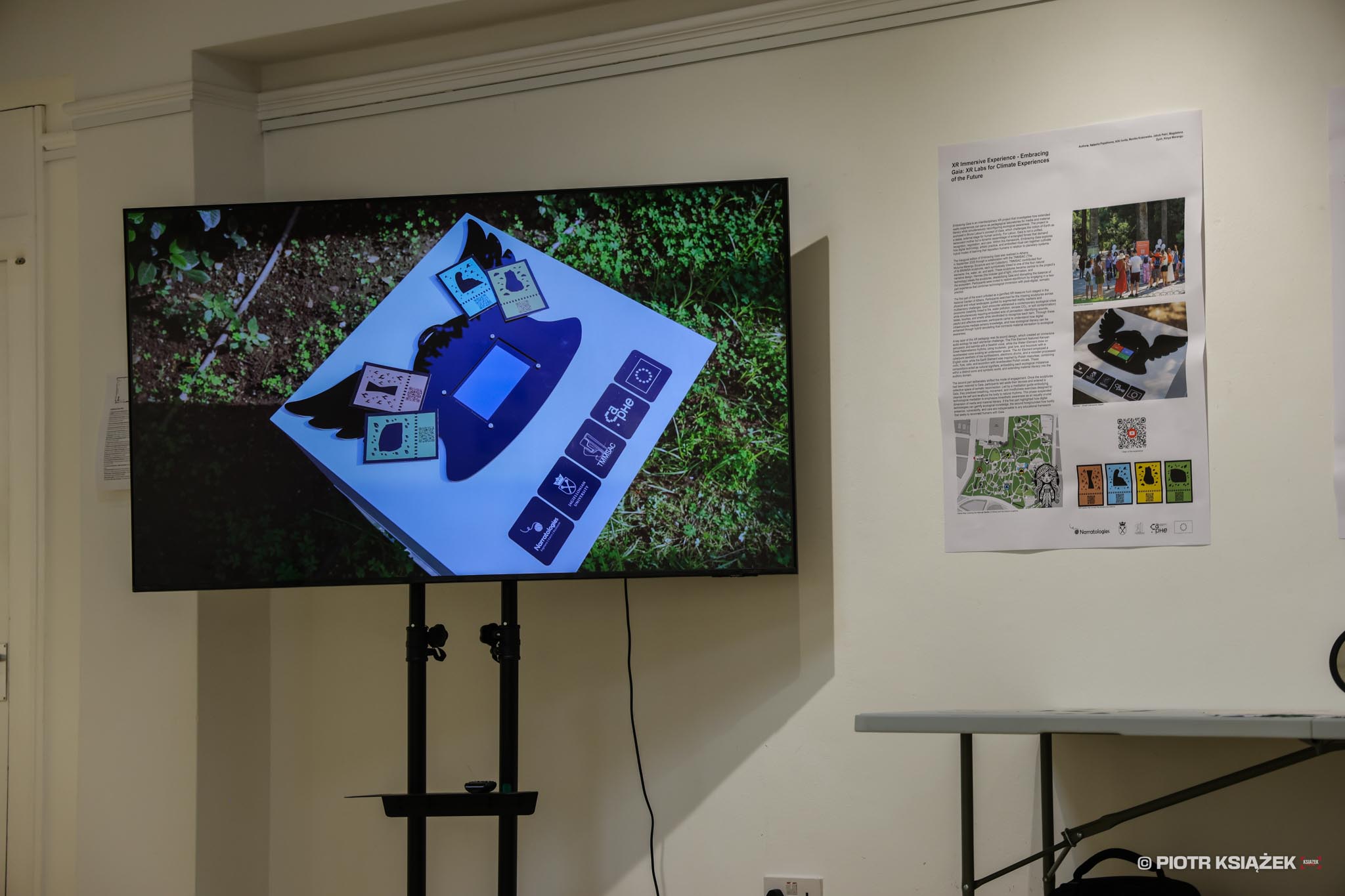
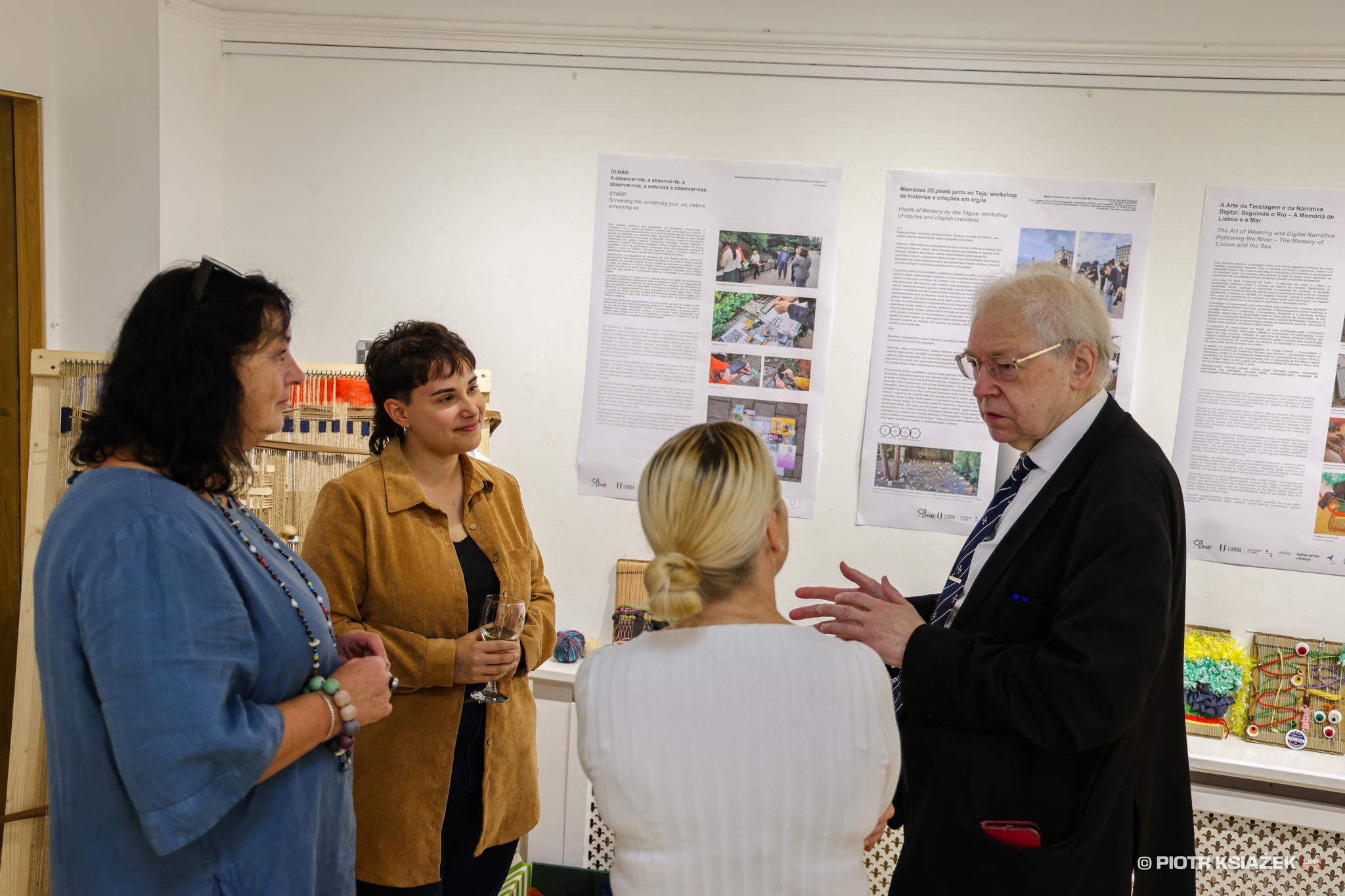
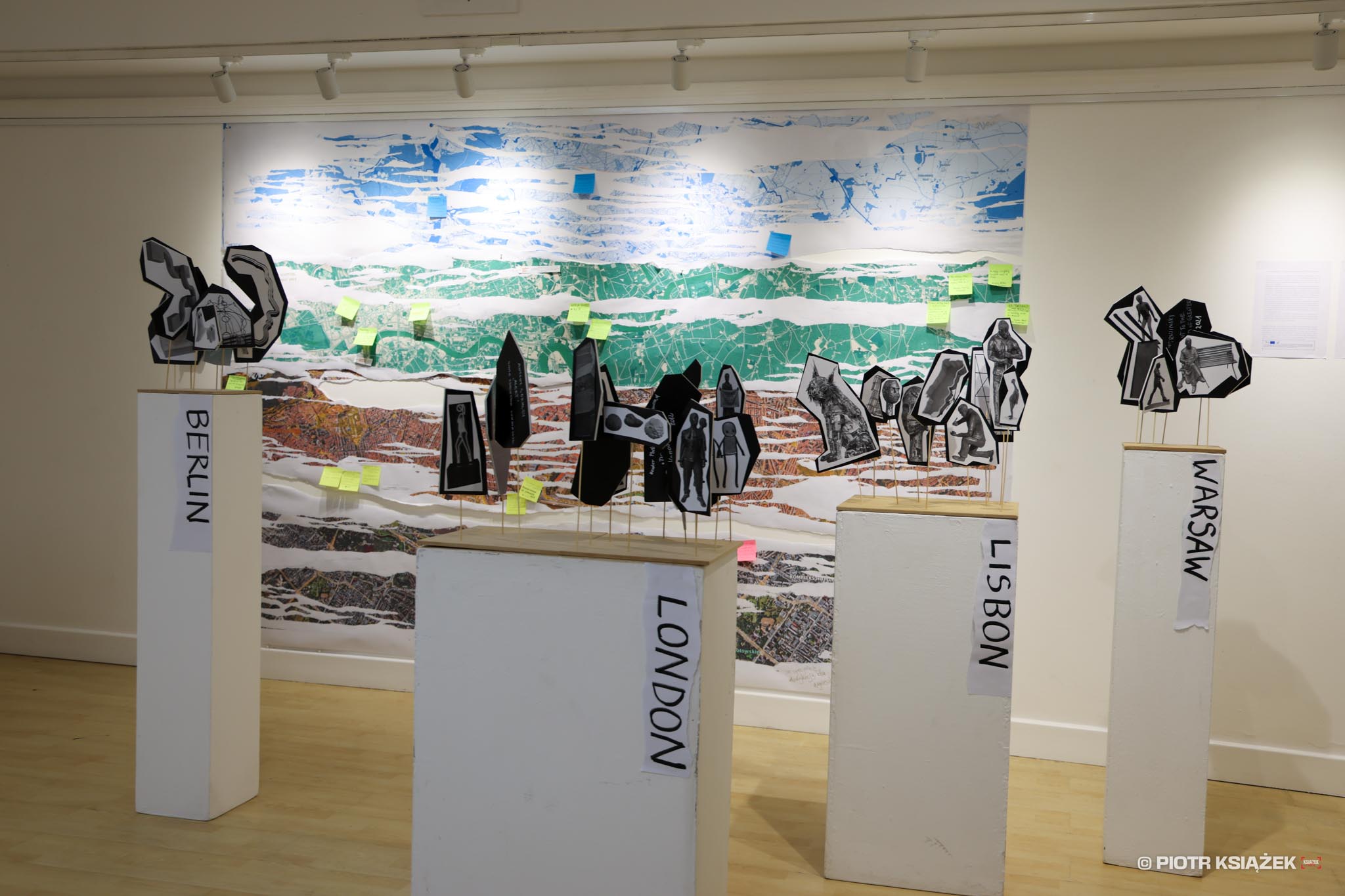
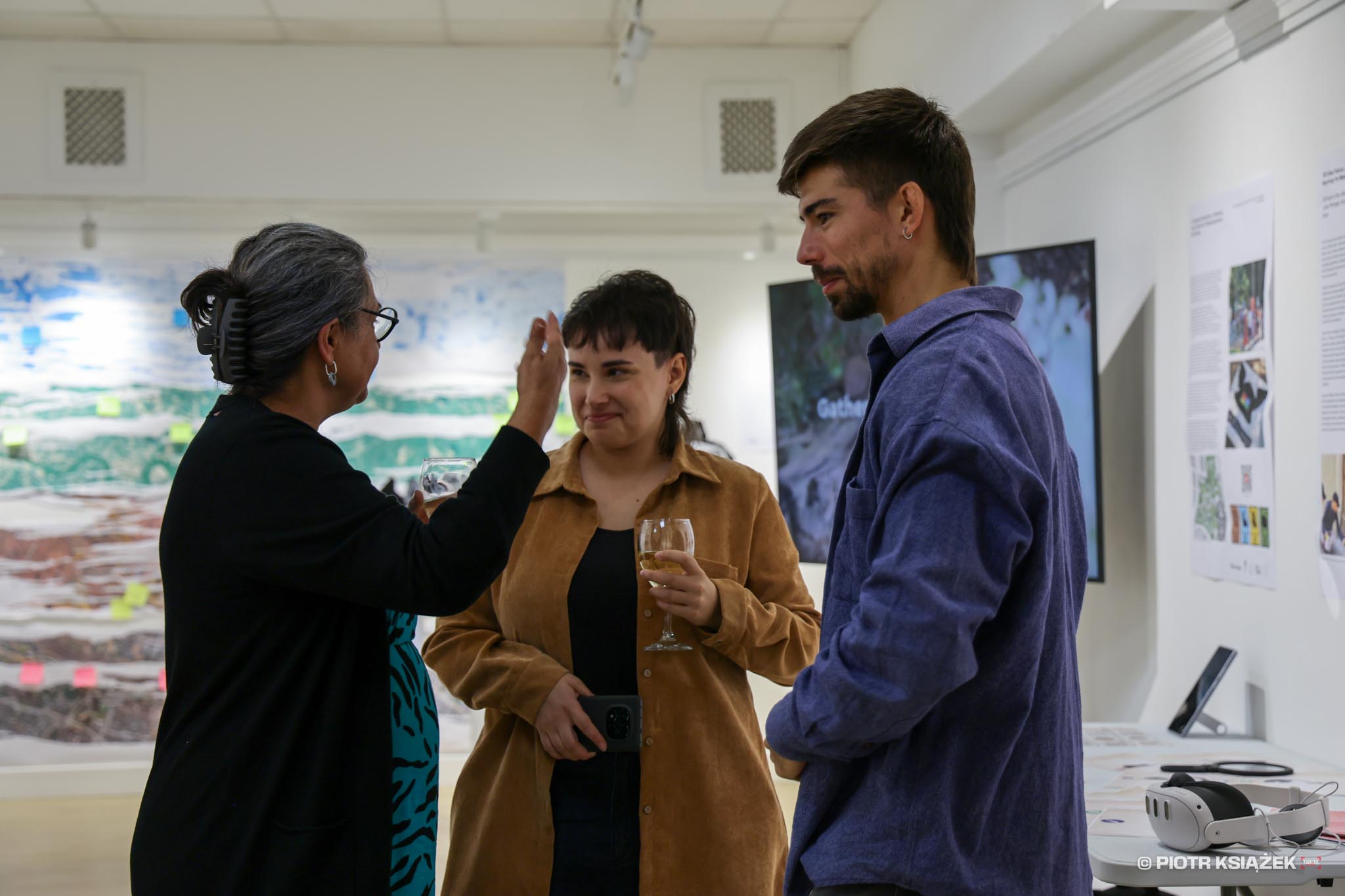
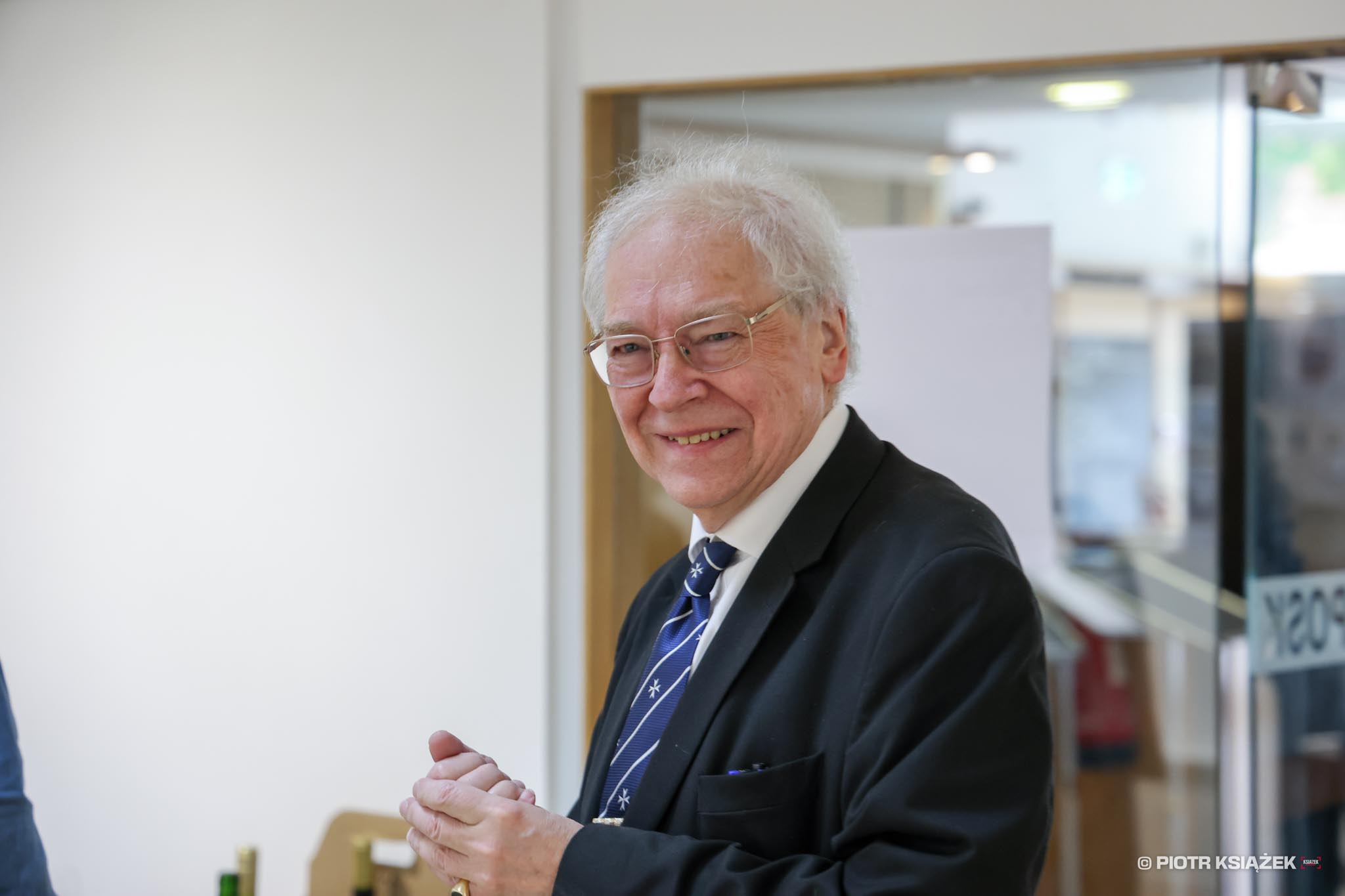
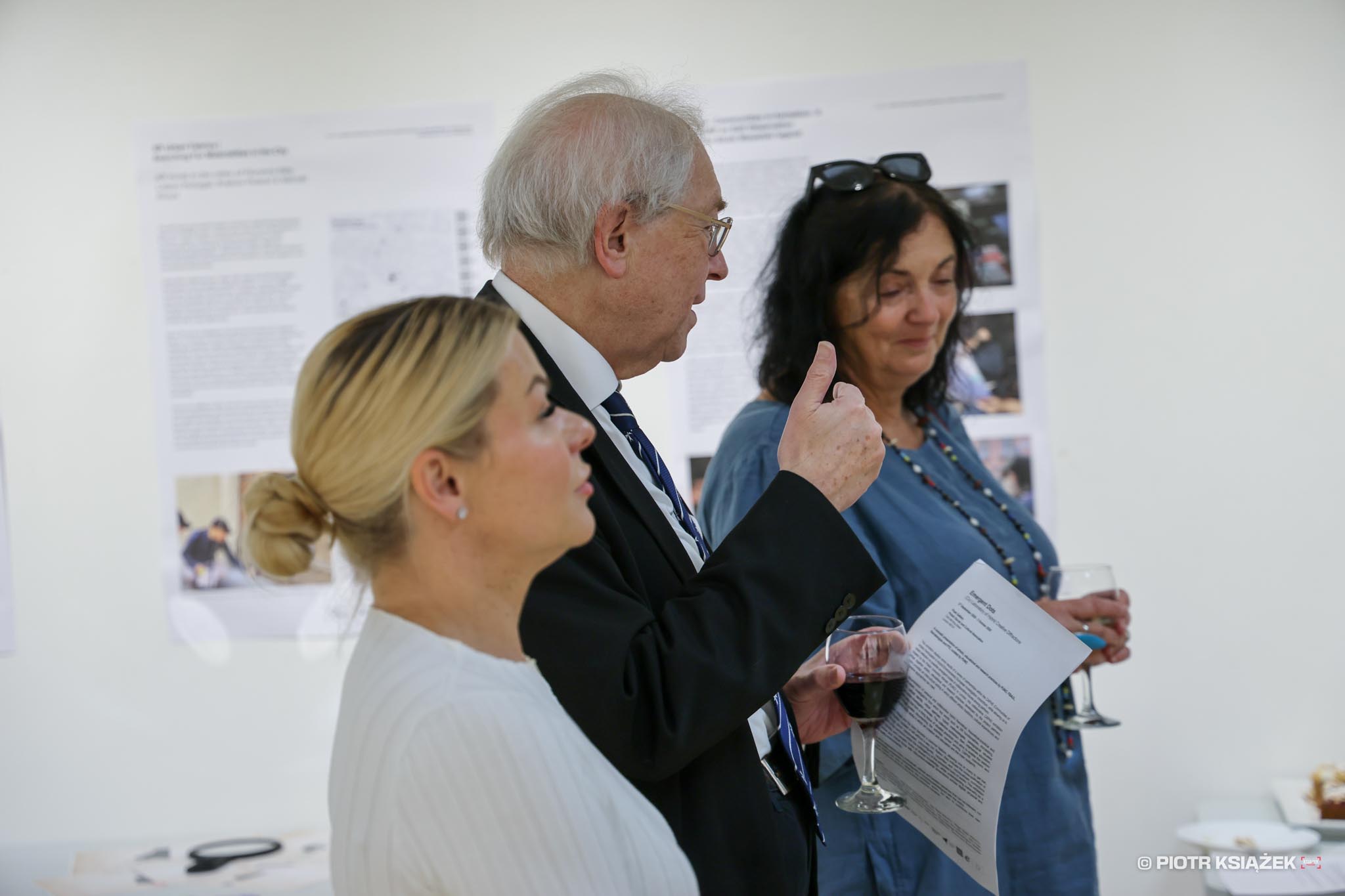
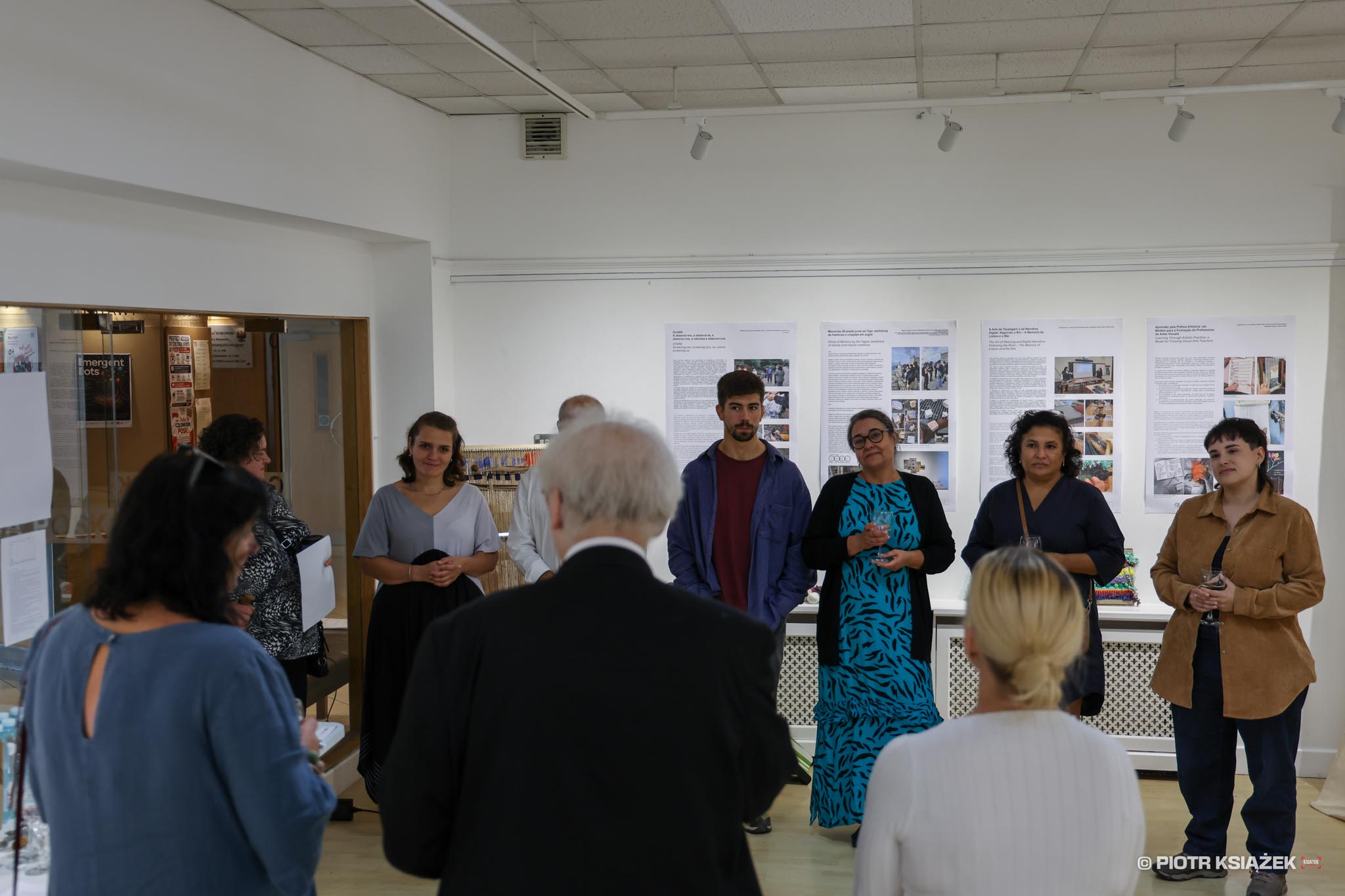
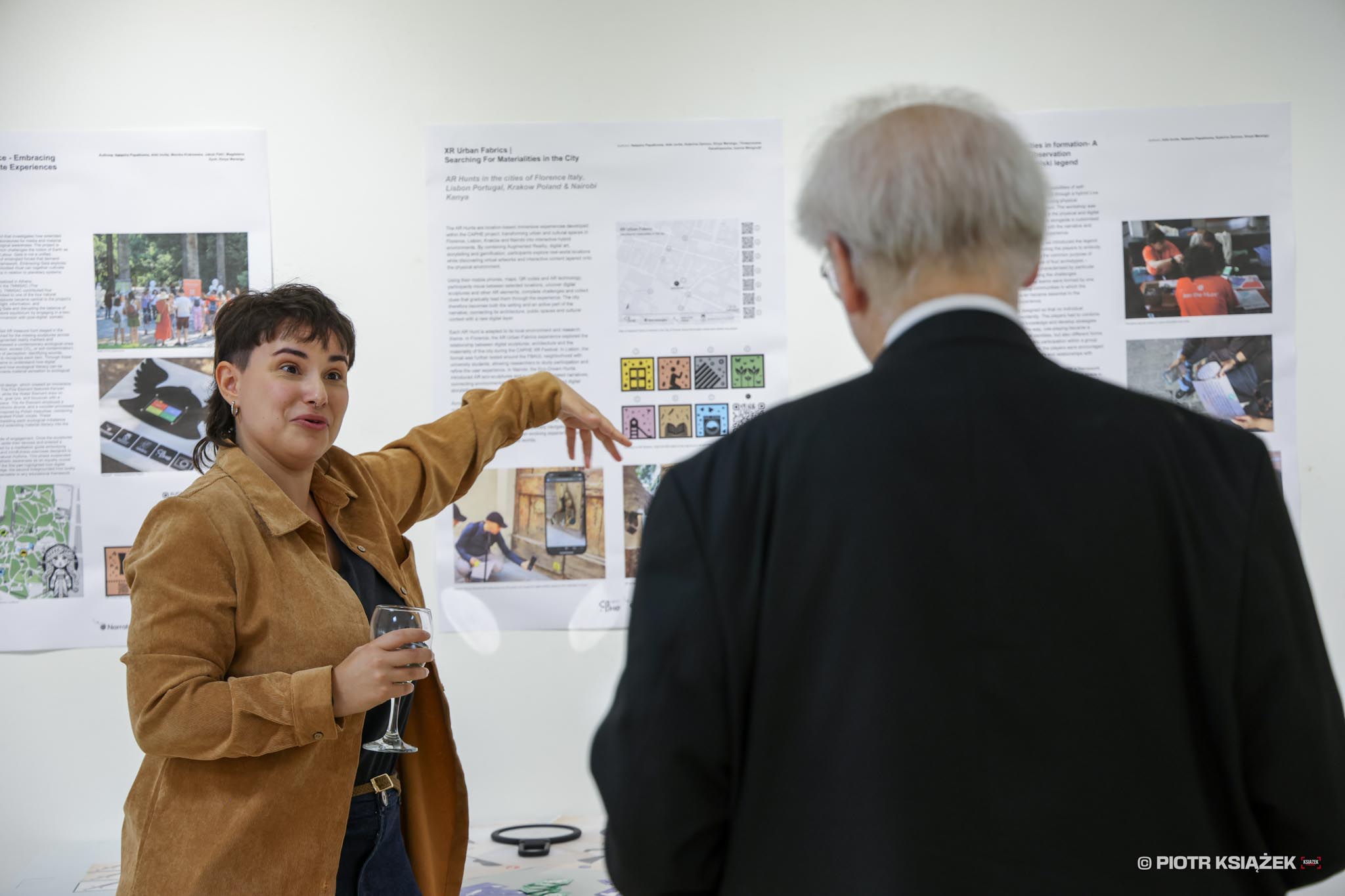
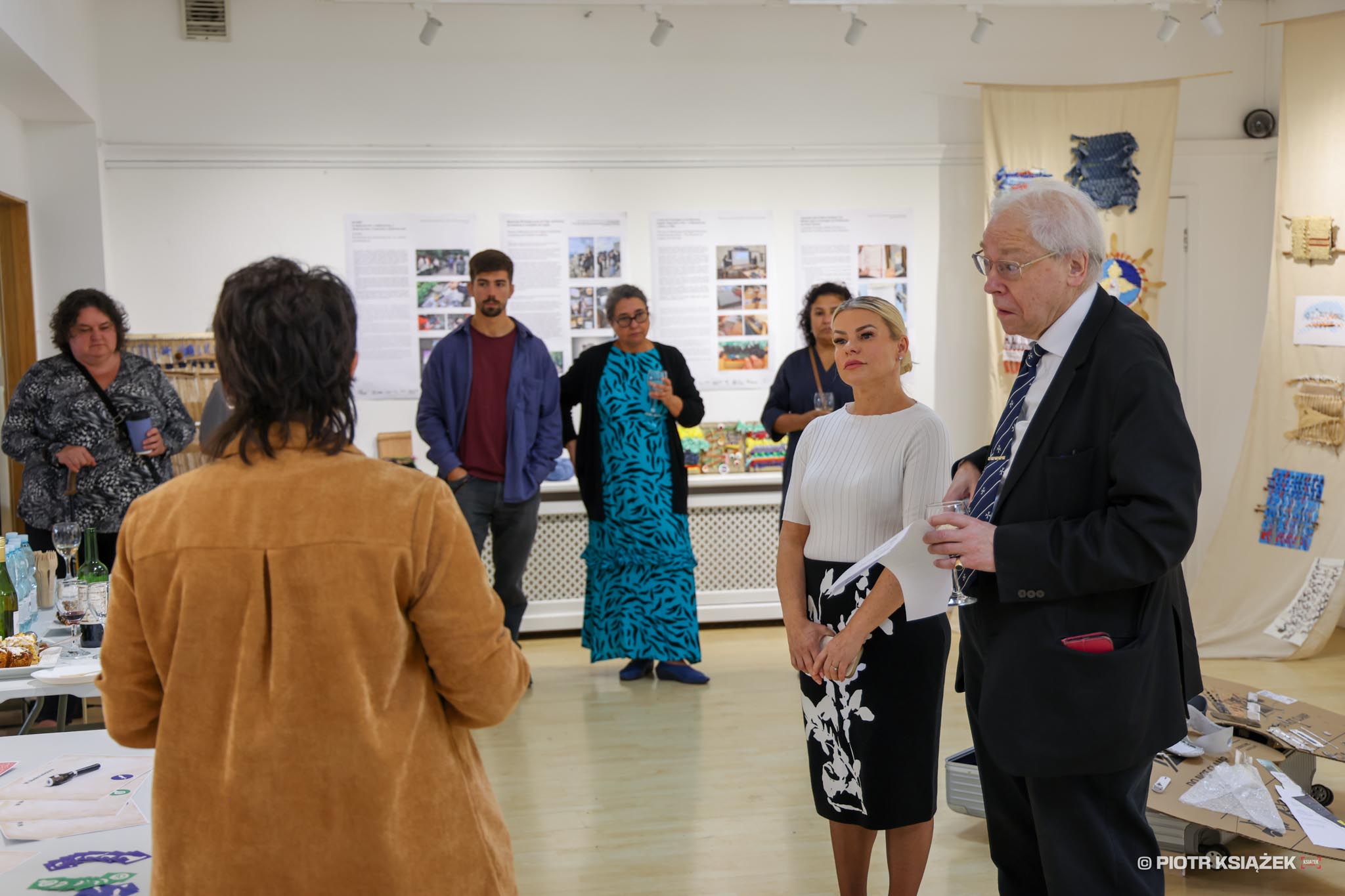
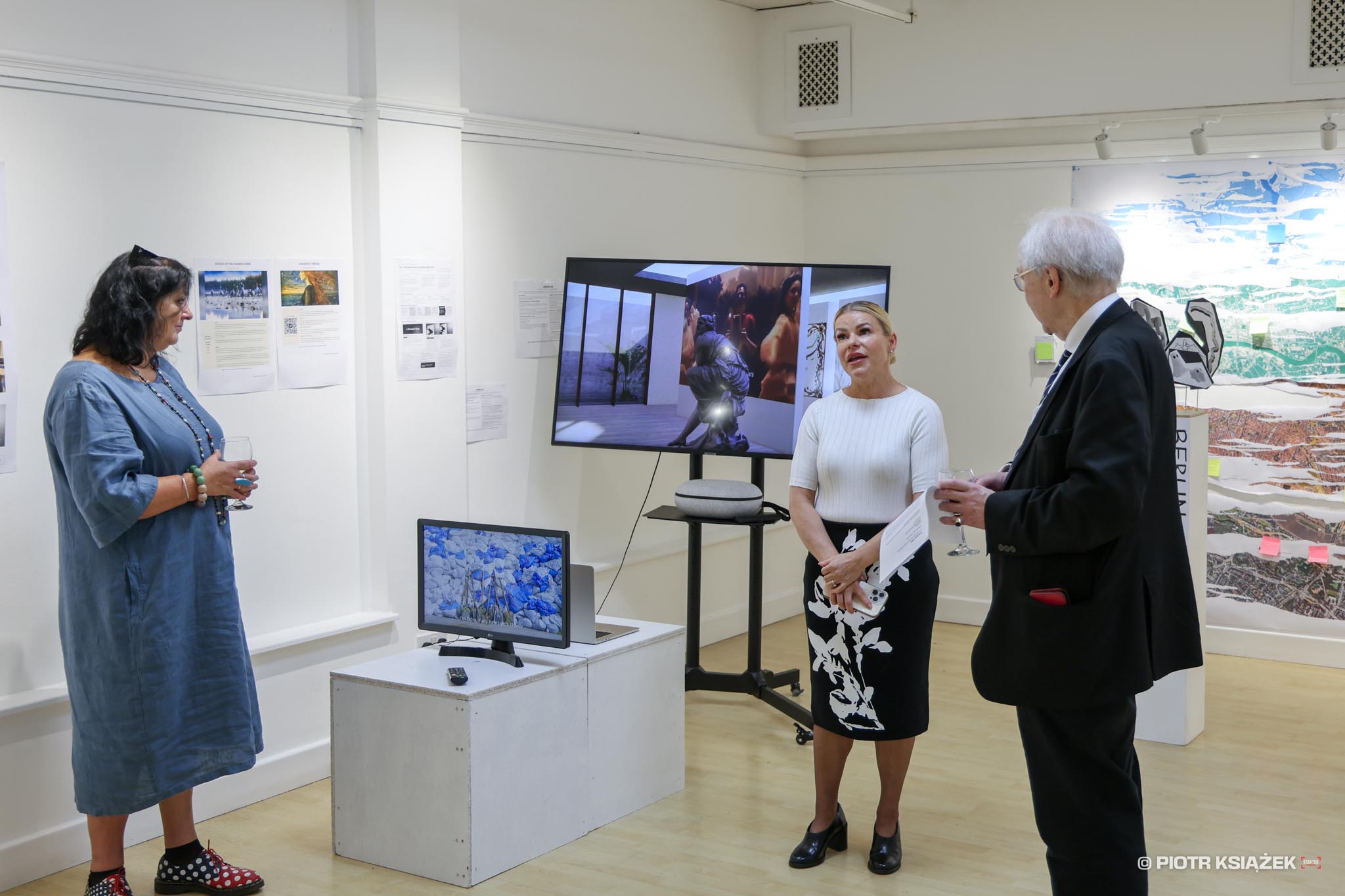
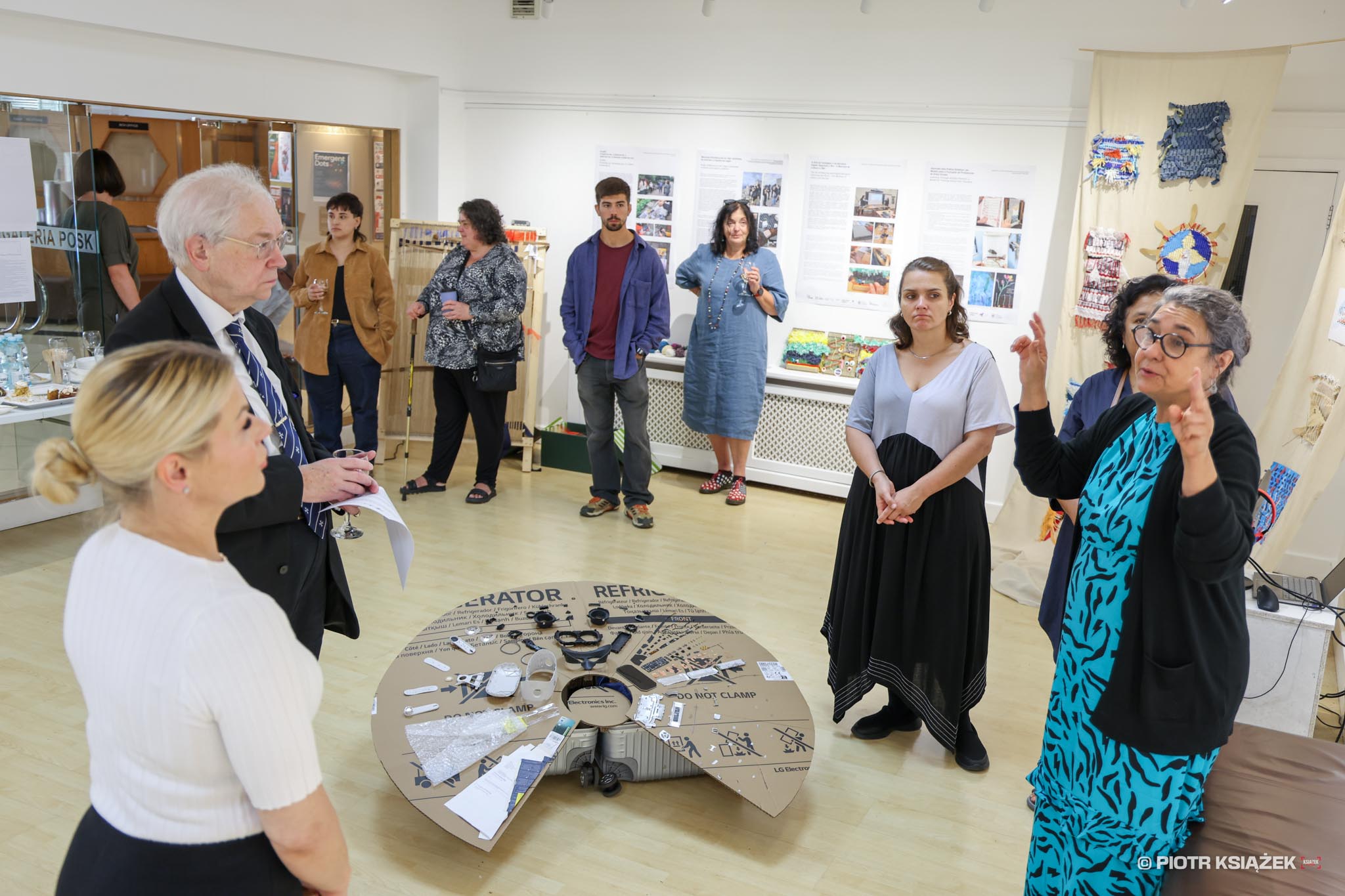
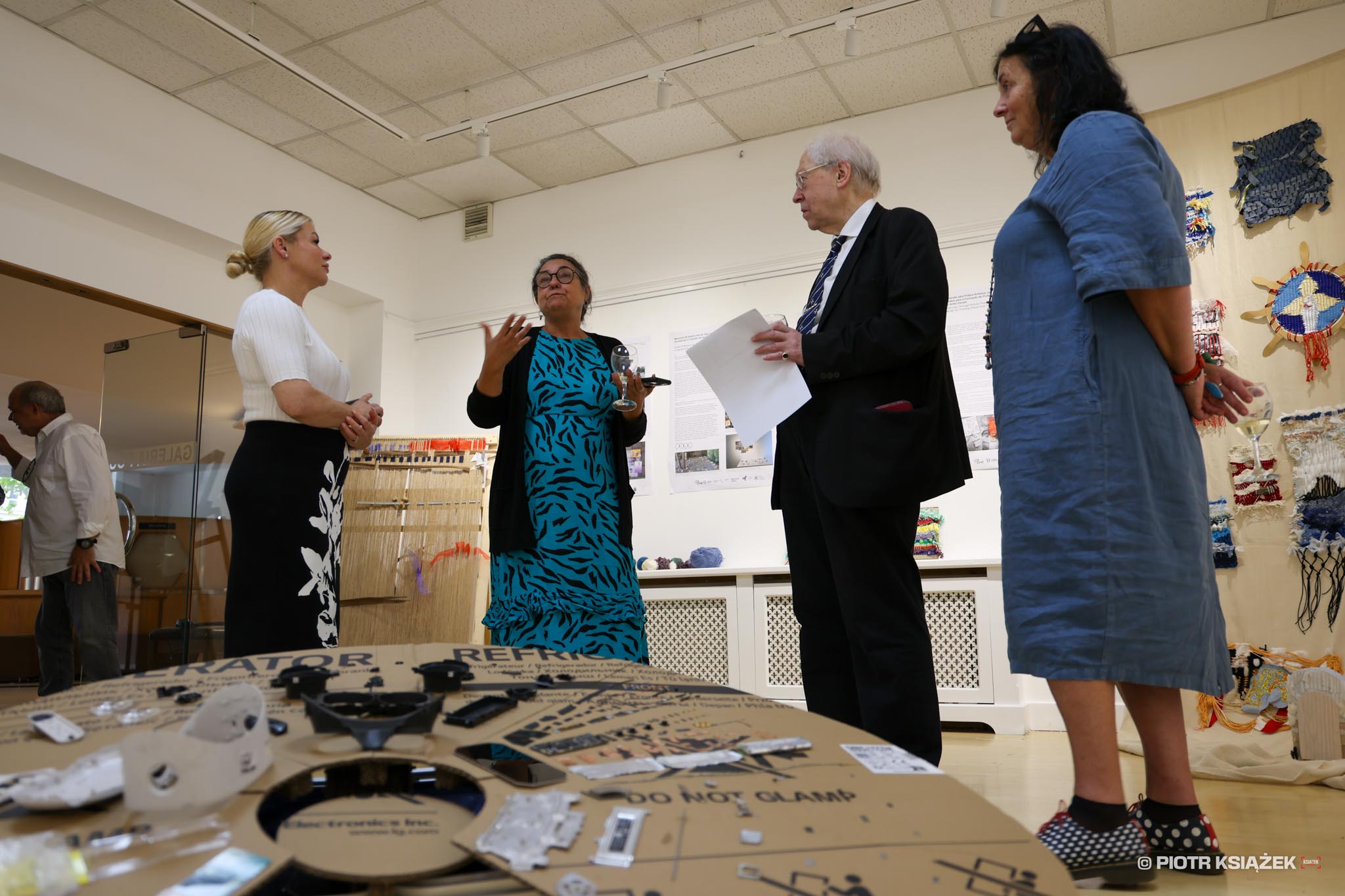
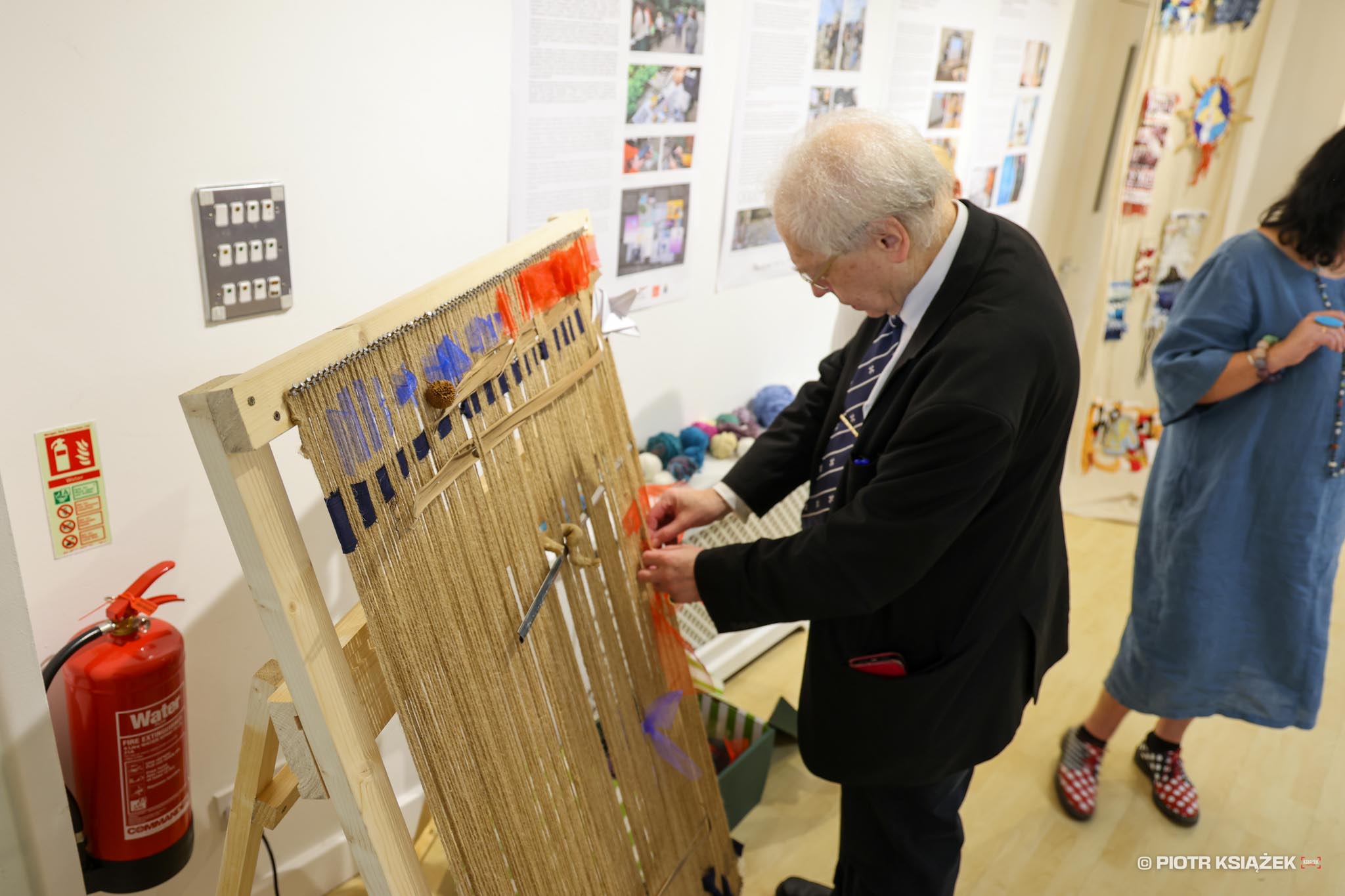
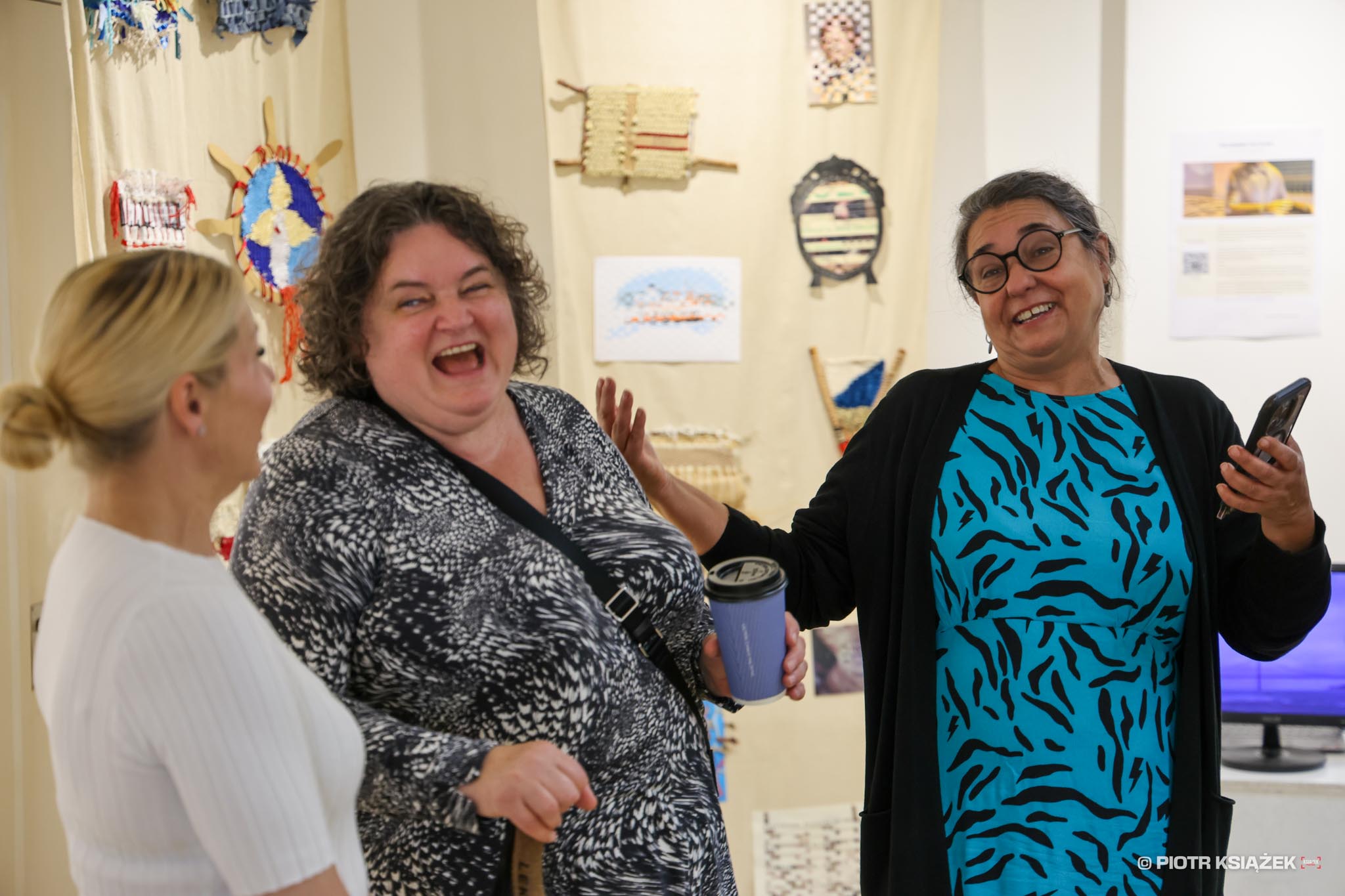
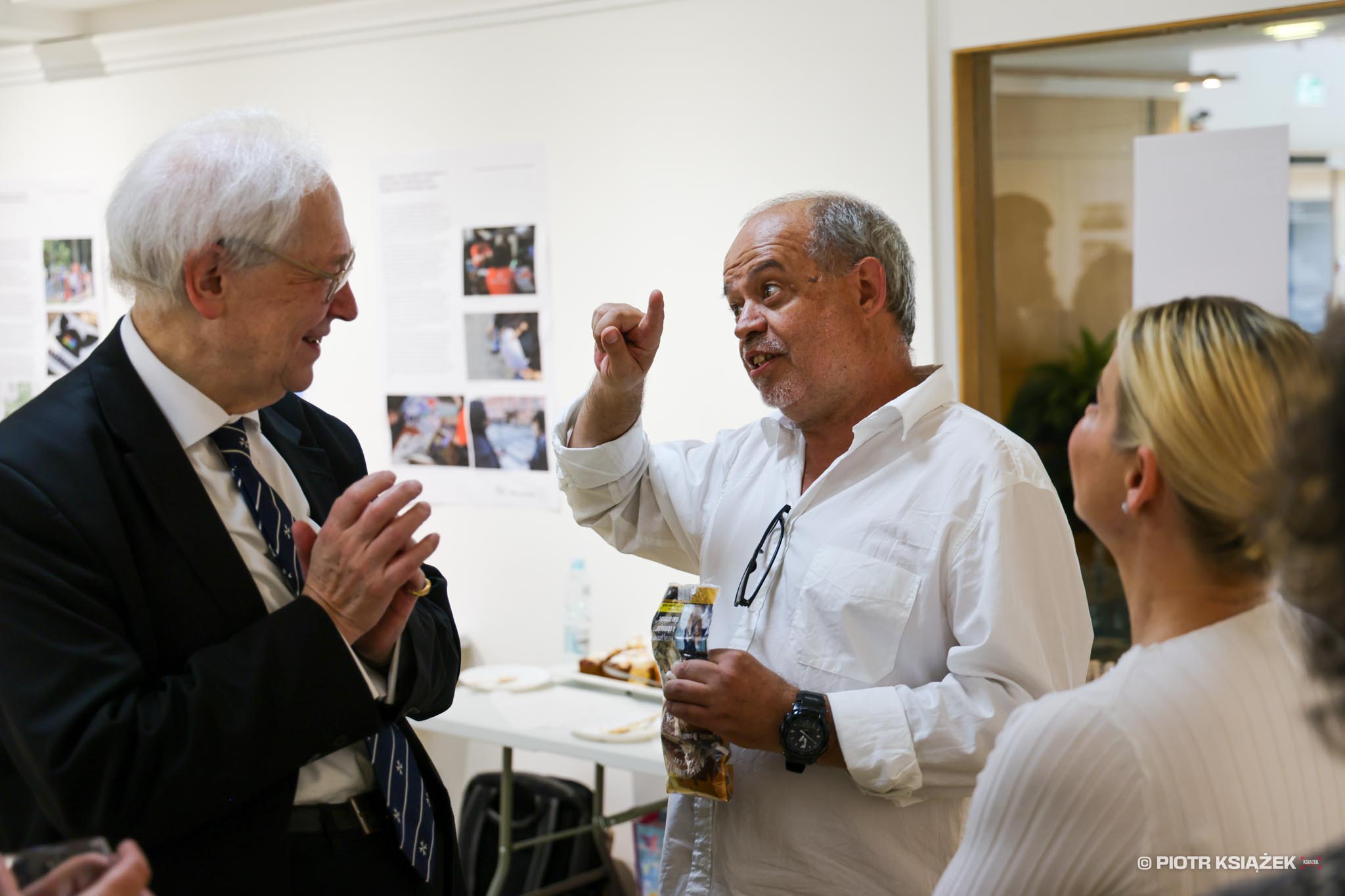
In London, PUNO carried out activities with pupils of Polish schools, teachers, and project partners. An important outcome was the exhibition “Emergent Dots: (Co)Laboratory of Hybrid Creative Diffractions”, presented at the POSK Gallery in London from 27 September to 3 October 2026. Curated by PUNO, the exhibition showcased the works and activities of CAPHE partners and created a space where art, education, technology, and international collaboration could come together.
Project Outcomes and Significance
CAPHE generates sustainable outcomes that can be used by teachers, schools, cultural institutions, and community organisations. These include educational materials, workshop scenarios, models for working in hybrid environments, educational game projects, artistic activities, publications, and recommendations for media and arts education.
The project promotes an approach in which technology serves as a tool for creativity, dialogue, education, and active participation in culture. CAPHE demonstrates that well-designed hybrid activities can strengthen interpersonal relationships, foster imagination, and create new opportunities for collaboration between schools, universities, cultural institutions, and local communities.