TICASS
Technologies of Imaging in Communication, Art and Social Sciences
An international, interdisciplinary research project on how people in different cultures perceive, understand and use images and visual signs in urban space. PUNO was the consortium’s UK partner.
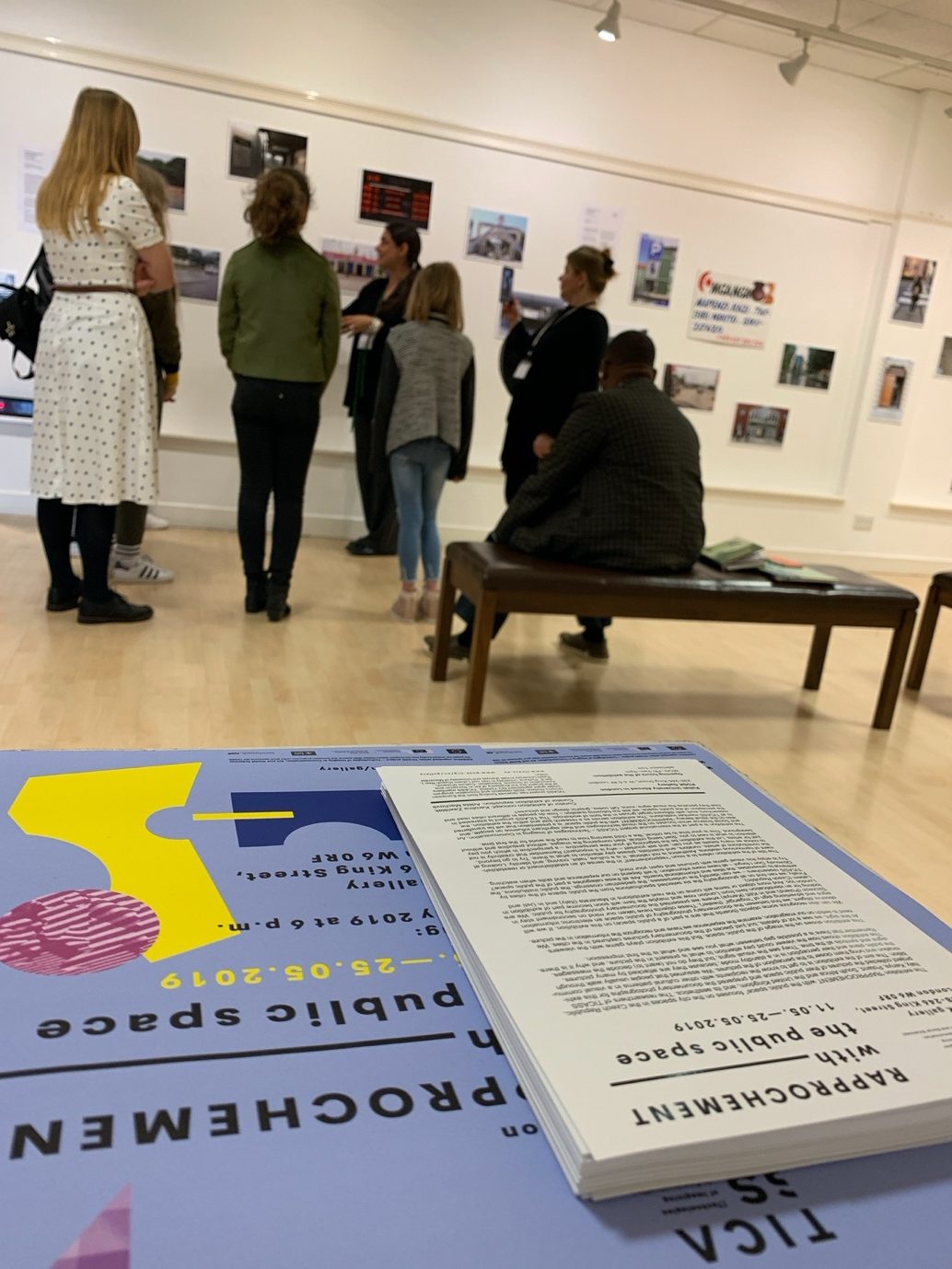
How do we read images in a world on the move?
TICASS was an international project devoted to imaging technologies, visual communication, and the social and cultural factors shaping how images are interpreted.
Researchers examined images, symbols, signage and digital messages in urban space – especially where people are on the move: railway stations, airports, bus stops and public transport. The project brought together the social sciences, humanities, art, education and modern technologies.
Originally planned for four years, it was extended during the COVID-19 pandemic and concluded on 31 October 2021. Dissemination continued after the funding period ended.
The ability to interpret visual messages is an essential competence in contemporary society – particularly amid globalisation, mobility and intercultural encounters.Core premise of TICASS
Project partners
International collaboration enabled comparative research across different social and cultural settings.
 Coordinator
Academy of Art in Szczecin
Poland
 Beneficiary
Polish University Abroad (PUNO)
London, United Kingdom
Education, Science and Culture Association (SENK)
Poland
 Beneficiary
Jan Evangelista Purkyně University in Ústí nad Labem
Czech Republic
 Beneficiary
University of Macerata
Italy
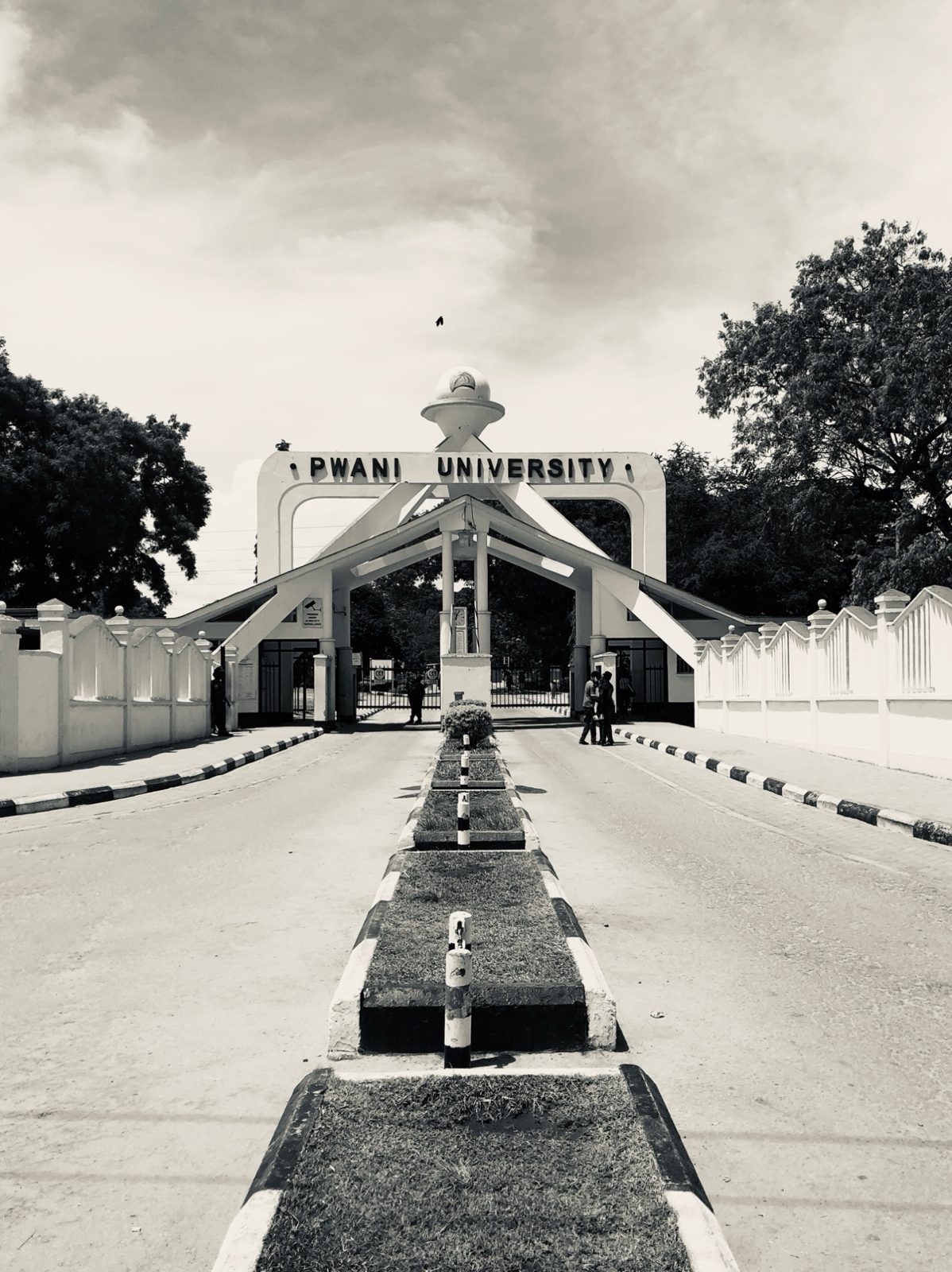
Pwani University
Kilifi, Kenya
 Partner – first secondment only
University of the Witwatersrand
Johannesburg, South Africa
Visual literacy across cultures.
The main objective of TICASS was to advance knowledge of visual communication and lay the foundations for visual literacy education that reflects cultural differences and evolving technologies.
investigating how images and visual signs are perceived and interpreted across cultures
analysing visual communication in urban and public spaces
identifying universal and culturally specific meanings of visual messages
developing interdisciplinary methods of image analysis
examining the social and educational functions of imaging technologies
producing research reports and recommendations for visual literacy education
promoting international researcher mobility and knowledge exchange
disseminating findings through publications, conferences, exhibitions and workshops
From Szczecin, via Kilifi, to London.
Key stages of the project, 2017–2022. In 2019 PUNO hosted the third TICASS research secondment.
Project launch and methodological framework
Establishing international collaboration, research methodology and theoretical foundations. Conference Visuality in Intercultural Perspective in Szczecin (3 July 2017).
Fieldwork in Kenya
PUNO research secondment in Kilifi with Pwani University – research, exhibition and conference.
- 16.11press conference at the Pwani University library
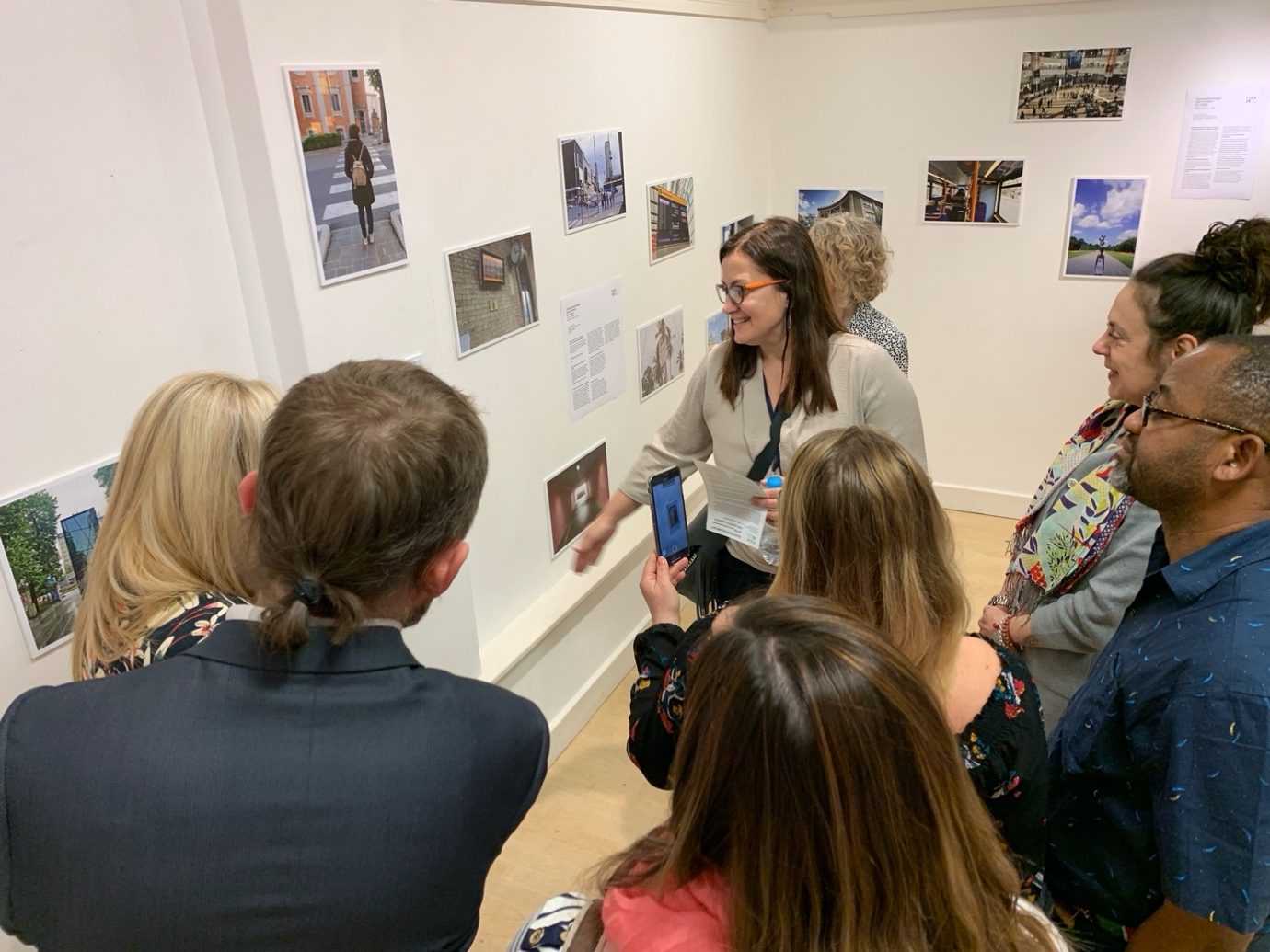
- 16.11opening of the exhibition RAPPROCHEMENT with the public space
- 16.11launch of the monograph Visuality from Intercultural Perspectives
- 6–7.12conference Urban Visuality, Mobility and Technology of Images
PUNO hosts the UK secondment
Research in London, Manchester and York: documenting visual messages in public space (analysed using Lasswell’s model and P. M. Lester’s perspectives) plus interviews with viewers.
- 1–30.04fieldwork and photographic documentation
- 14.04seminar for early-career researchers
- 11.05Third TICASS International Conference Spaces of Transfers and Visual Management of Human Mobility
- 11–25.05exhibition RAPPROCHEMENT with the public space (POSK)
- 12.05early-career conference Society, Education, Culture. Human & Technologies
- 18.05visual literacy workshops – Tomáš Pavlů
Visual literacy during the pandemic
Some activities moved online. 7 June – early-career conference Human & Technologies. Perspectives (PUNO, UJEP, University of Szczecin). Monograph Urban Visuality, Mobility, Information and Technology of Images.
Completion and dissemination
Reports, educational recommendations, research on COVID-19 visual messages. 26 June – conference Human and Technologies in London. Formal completion: 31 October 2021.
Continued publications
Monograph Spaces of Transfers and Visual Management of Human Mobility and work by early-career researchers supervised by Prof. Elżbieta Perzycka.
PUNO research team
All PUNO researchers presented their work at seminars and academic conferences within the project.
Professor Grażyna Czubińska, PhD (Health Sciences)
PUNO
Author of reports documenting the project in Zeszyty Naukowe PUNO – aims, methodology, fieldwork in Kenya and the UK, and outcomes of successive stages.
Dr Agnieszka Szajner
PUNO · team coordination
Coordinated the PUNO team’s work. Her studies and publications addressed fieldwork at successive stages, including Kenya and the UK.
Roman Mazur, MA
PUNO · documentation
Responsible for photographic documentation and the project section of the PUNO website, research incl. in Berlin, and a proposal accepted by the European Commission under Innovation Radar (No. 34234).
Dr Justyna Gorzkowicz
PUNO
Humanities and cultural studies researcher; documented and disseminated information on TICASS (incl. Biuletyn Polonistyczny, 2018). Took part in the Macerata conference.
Professor Michael Fleming
PUNO
Co-editor of the monograph Visuality from Intercultural Perspectives (2018), published by PUNO Press with the Academy of Art in Szczecin.
Jarosław Solecki, MA
PUNO
Member of the PUNO team; took part in the conference at the University of Macerata.
Consortium collaboration
Professor Elżbieta Perzycka
inter-institutional collaboration
Regional coordinator and mentor to early-career researchers; co-editor of reports on visual communication in Poland and Kenya.
Dr Aleksandra Łukaszewicz Alcaraz
consortium coordination
Principal TICASS coordinator (Academy of Art in Szczecin); worked with PUNO on research, secondments, conferences and publications.
What TICASS meant for PUNO
Taking part in TICASS marked an important stage in the University’s international research activity. Its particular strength was combining research with educational practice and artistic and exhibition work.
- 01participation in international comparative research
- 02collaboration with European and African institutions
- 03empirical research on visual communication in the UK
- 04international conferences, seminars and workshops
- 05support for early-career researchers
- 06co-authoring publications and research reports
- 07interdisciplinary approach to education, culture, art and technology
Publications and reports
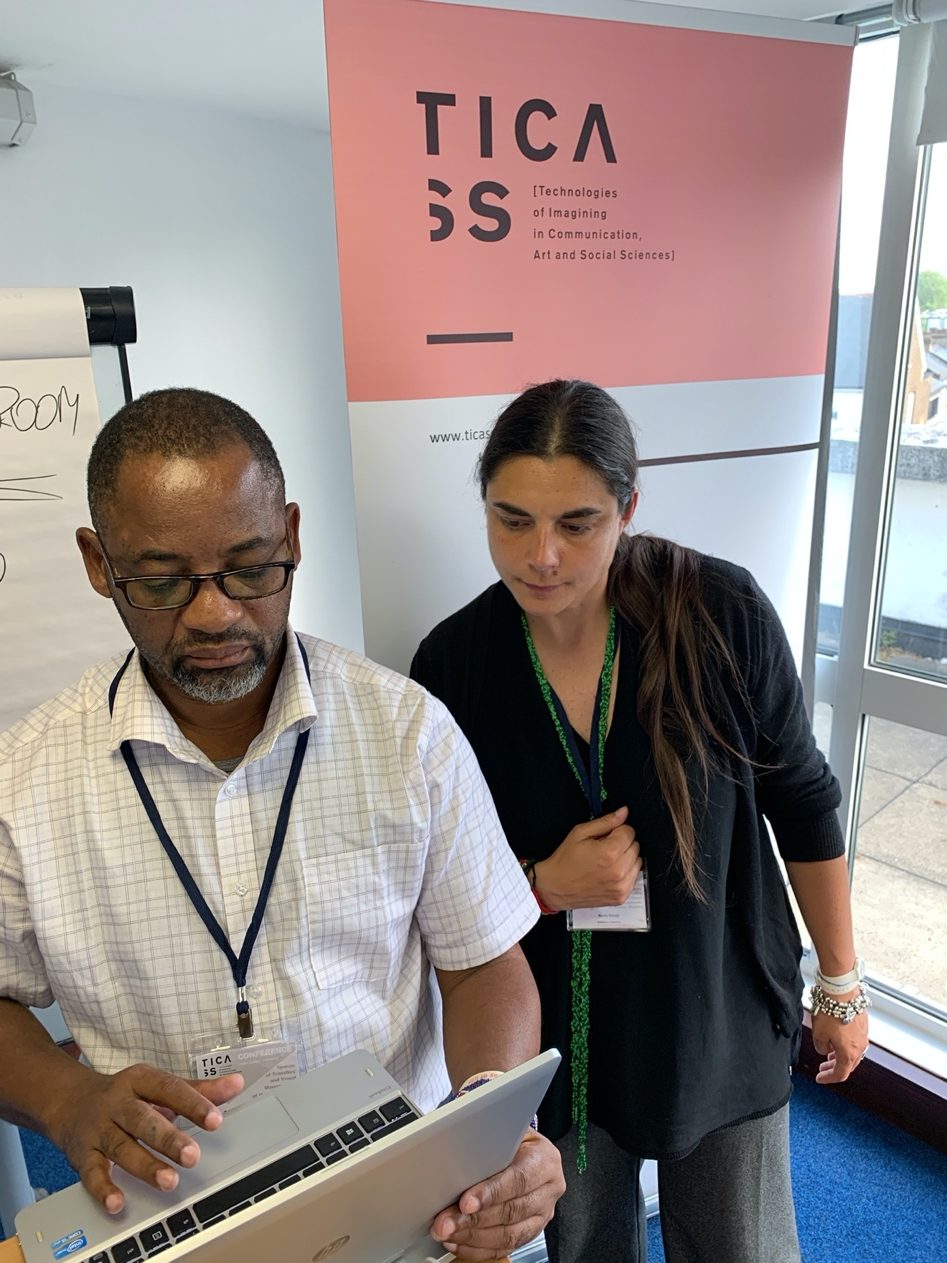
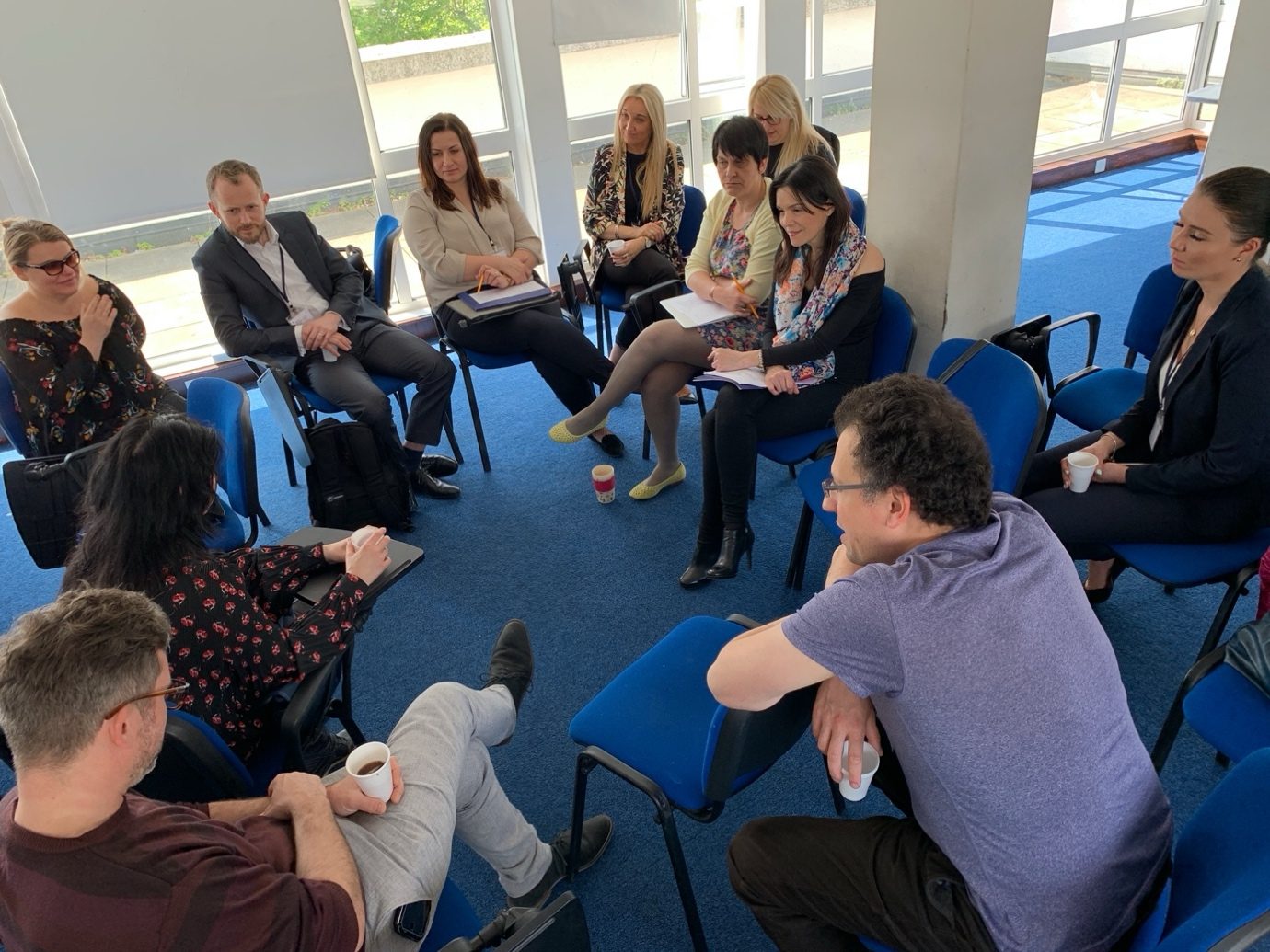
The project in pictures
Photographs: Roman Mazur

The TICASS project received funding from the European Union’s Horizon 2020 research and innovation programme under Marie Skłodowska-Curie grant agreement No. 734602.