utworzone przez admin2007 | kwi 3, 2026 | Aktualności
Z okazji Świąt Wielkanocnych pragniemy złożyć Państwu najserdeczniejsze życzenia.
Niech ten szczególny czas przyniesie chwilę odpoczynku od codziennego zgiełku i obowiązków. Oby stał się okazją do zatrzymania się, refleksji oraz spędzenia pięknych chwil w gronie najbliższych, w atmosferze spokoju, życzliwości i wzajemnej bliskości.
Rektor, Senat oraz społeczność PUNO.
utworzone przez Jolanta Różyło | mar 30, 2026 | Aktualności, Aktualności
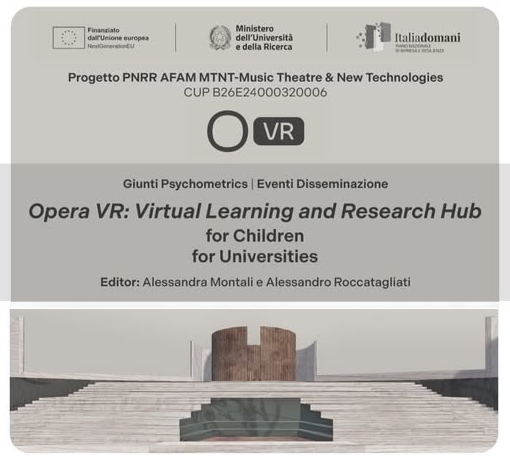
Polski Uniwersytet na Obczyźnie (PUNO) zrealizował dwa istotne wydarzenia naukowo-edukacyjne w ramach innowacyjnego projektu „Opera VR: Wirtualne Centrum Nauki i Badań dla szkół i uniwersytetów”. Spotkania miały miejsce w dniach 7 i 8 marca bieżącego roku w Londynie i były skierowane do dzieci oraz młodzieży polonijnej.
Sesje edukacyjno-badawcze odbyły się w dwóch ośrodkach:
W siedzibie Polskiego Uniwersytetu na Obczyźnie (PUNO) – sala Atrium POSK,
W Szkole Polskiej przy Ambasadzie RP w Londynie im. „Orła Białego”.
Opis i zdjęcia można zobaczyć w następującym artykule: Opera VR w Londynie. Polskie dzieci poznawały operę dzięki wirtualnej rzeczywistości – MyPolska.UK
Prezentacja projektu na arenie międzynarodowej trwa z konferencjami w Europie i wystąpieniami planowanymi w Stanach Zjednoczonych.
utworzone przez admin2007 | mar 15, 2026 | Aktualności
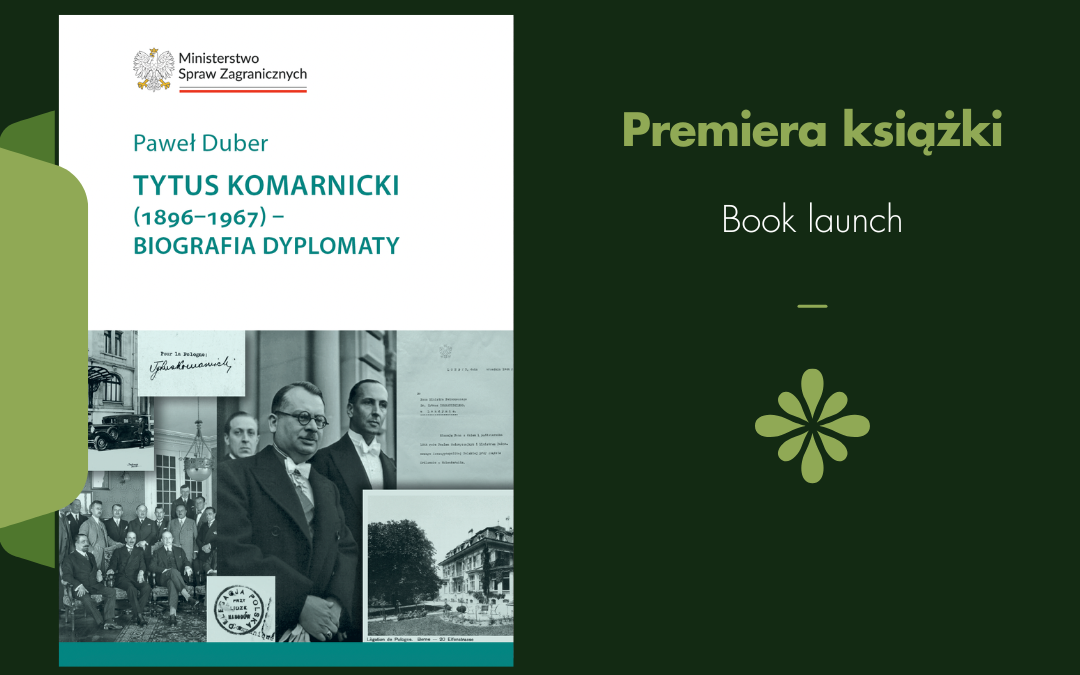
Z przyjemnością informujemy o ukazaniu się najnowszej książki autorstwa Pawła Dubera poświęconej postaci Tytusa Komarnickiego.
Publikacja przybliża sylwetkę niezwykle ważnego dla polskiej dyplomacji XX wieku działacza. Choć nazwisko Komarnickiego bywa kojarzone głównie z jego późniejszą działalnością naukową, przez wiele lat odgrywał on istotną rolę w kształtowaniu polskiej polityki zagranicznej na forum Ligi Narodów.
Już jako niespełna trzydziestopięciolatek koordynował przygotowania polskiej delegacji do Konferencji Rozbrojenia w Genewie w 1932r., jednego z najważniejszych wydarzeń dyplomatycznych okresu międzywojennego, porównywanego rangą do Paryskiej Konferencji Pokojowej w 1919 r. W kolejnych latach pełnił także funkcję delegata Rzeczypospolitej przy Lidze Narodów w Genewie, współpracując blisko z ministrem spraw zagranicznych Józefem Beckiem i uczestnicząc w kluczowych działaniach polskiej dyplomacji na arenie międzynarodowej w okresie poprzedzającym wybuch II wojny światowej.
Książka dr. hab. Pawła Dubera stanowi ważny wkład w badania nad historią polskiej dyplomacji i przywraca pamięć ważnej postaci życia politycznego i intelektualnego XX wieku.
📖 Zachęcamy do lektury!
Pobierz!
utworzone przez Jolanta Różyło | lut 23, 2026 | Aktualności, Aktualności
Uniwersytet Trzeciego Wieku (dla osób w każdym wieku!)
Polskiego Uniwersytetu na Obczyźnie (PUNO)
zaprasza na wykład
Zdrowie zaczyna się w jelitach — błonnik sprzymierzeniec długowieczności
Więcej w załączonym zaproszeniu.
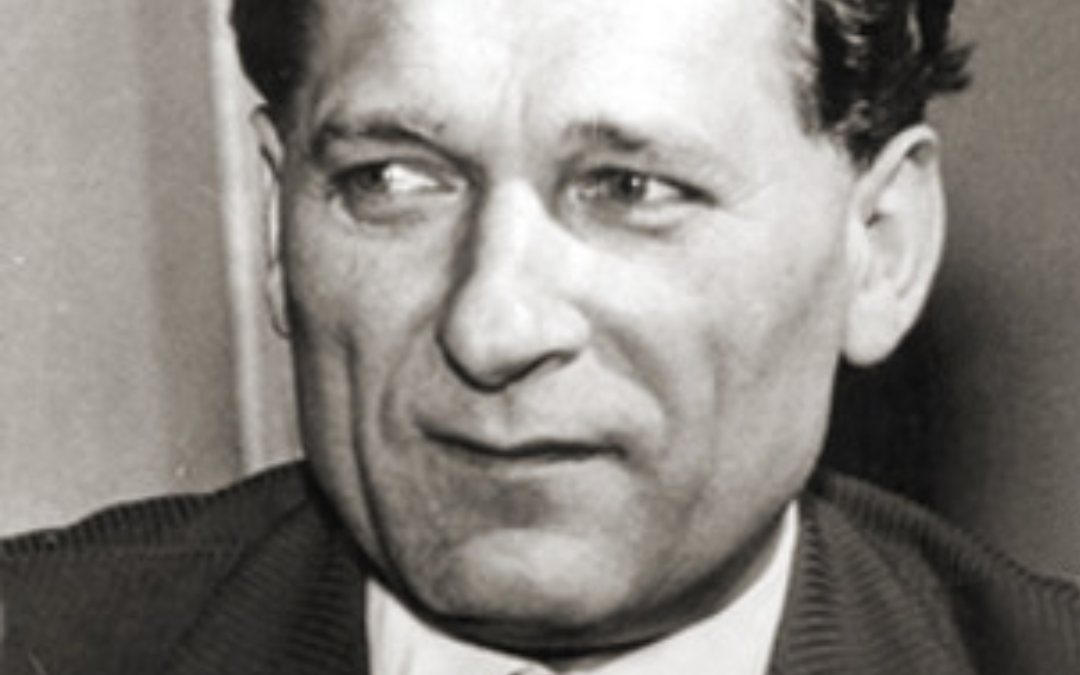
utworzone przez Jolanta Różyło | lut 16, 2026 | Aktualności, Aktualności, Seminarium
25 February 2026
Prof. Paweł Machcewicz (Institute of Political Studies of the Polish Academy of Sciences, Warsaw)
Moczar`s “Partisans”: Nationalism, Anti-Semitism, Historical Myths
“The Partisans” were in the 1960s a very influential political group within the communist party and state apparatus in Poland. Led by Mieczysław Moczar, the minister of interior and leader of the veterans` associations (during the WW II he was a famous commander of the communist resistance), they founded a dynamic political movement which strongly influenced not only politics, but also mass-media and culture. Their ideology based on nationalism, anti-Semitism and exploitation of Polish history – especially its non-communist aspects which helped attract followers from outside the ruling party. “The Partisans” undertook the most far-reaching attempt to shape the Polish model of national communism and were often compared by contemporary observers and analysts with parallel developments in Romania.
Paweł Machcewicz is a historian, professor at the Institute of Political Studies of the Polish Academy of Sciences in Warsaw. From 2008 to 2017, he was the founding director of the Museum of the Second World War in Gdańsk. He has taught at the Warsaw University and the Nicolaus Copernicus University in Toruń and was director of research and education at the Institute of National Remembrance in 2000-2006.
His main areas of research are the Second World War, the Cold War and communist regimes in East-Central Europe. His many books include: Rebellious Satellite. Poland 1956 (Woodrow Wilson Center-Stanford University Press, Washington DC-Stanford, 2009); Poland`s War on Radio Free Europe 1950-1989 (Woodrow Wilson Center-Stanford University Press, Washington DC-Stanford, 2014); The War That Never Ends. The Museum of the Second World War in Gdańsk (De Gruyter, Berlin-Boston 2019); Wina, kara, polityka. Rozliczenia ze zbrodniami II wojny światowej (with Andrzej Paczkowski; Znak, Kraków 2021); Narodowy komunizm po polsku. „Partyzanci” Moczara (Krytyka Polityczna, Warszawa 2025).
Topic: PUNO: History Seminar
Time: Feb 25, 2026 18:30 London
Join Zoom Meeting
https://us06web.zoom.us/j/89115030705?pwd=A11JhXuR2hSkAajeK4nBhS24Z2tizR.1
Meeting ID: 891 1503 0705
Passcode: 268637
utworzone przez admin2007 | sty 17, 2026 | Aktualności
Uniwersytet Trzeciego Wieku (dla osób w każdym wieku!)
Polskiego Uniwersytetu na Obczyźnie (PUNO)
zaprasza na wykład
Ochrona zdrowia podczas fazy nadaktywnego słońca (do 2035 r.)
Więcej w załączonym zaproszeniu